

























































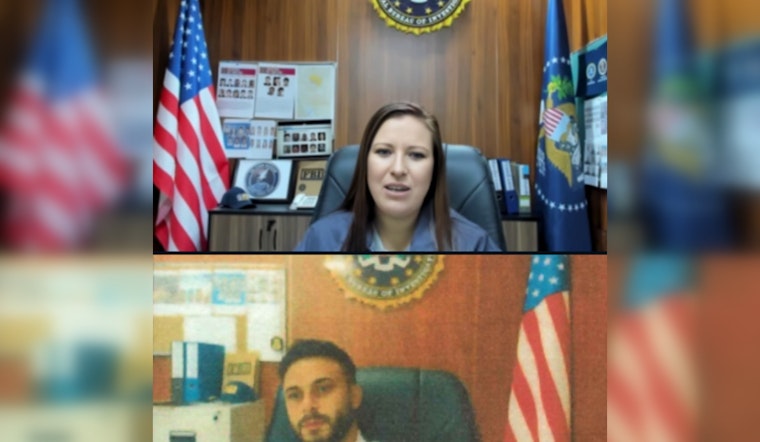
FBI Chicago has released photographs of two people it says posed as federal law enforcement and pressured residents into handing over money by claiming they were suspects or victims in fraud investigations. The impostors reportedly used phone calls, texts, and emails to spin convincing stories and push targets into transferring funds or sharing account details. Agents say public tips could be key to putting names to the faces in those photos.
⚠️ SCAM ALERT: Our colleagues at @FBIChicago are seeking the public's help in identifying two individuals posing as FBI special agents, prosecutors, or federal law enforcement officers attempting to scam people out of money by claiming they are possible victims or suspects of a fraud investigation.
— FBI Houston (@FBIHouston) March 31, 2026
FBI Chicago Drops Photos, Asks Public to Help ID Suspects
FBI Chicago made the alert public in a Feb. 20 media release that included photographs of the two suspects and warned that offenders often pretend to be bank employees working with fake agents to obtain personal and financial information. The warning resurfaced this week after the FBI Houston shared the Chicago office's alert on X on March 31. The agency emphasized that federal authorities will never call to demand money and advised anyone contacted to file a complaint with the Internet Crime Complaint Center or to call 1-800-CALL-FBI, according to FBI Chicago.
Scam Playbook: Fake Jackets, Video Calls, and Spoofed Numbers
Local reporting says the impostors sometimes use convincing props such as fake FBI windbreakers and badges and pressure victims into video conferences or transfers to make the ruse feel official. "People are impersonating FBI agents in a super realistic fashion," Lucas Rothaar, an FBI assistant special agent in charge, told NBC Chicago, describing how calls often begin with a bank fraud alert before switching to a supposed federal investigator. NBC Chicago also reports that victims have lost millions and that scammers can spoof local FBI phone numbers to appear legitimate.
How to Protect Yourself and Report Suspicious Contact
Officials recommend hanging up, not sharing verification codes or account numbers, and refusing any request to send money, whether by wire transfer, gift card, cryptocurrency, or courier. The FBI directs people to file tips at IC3 or tips.fbi.gov, and to contact the bureau at 1-800-CALL-FBI for verification; the agency stresses that no legitimate agent will demand payment. The FTC’s recent data show imposter scams caused billions in losses nationwide, reinforcing why authorities urge skepticism and independent verification, according to the FTC.
If you believe you were targeted, alert your bank and local police immediately and talk to a trusted friend or family member before taking action. Quick reporting gives investigators the best chance to freeze accounts and pursue the people behind these schemes.





