

























































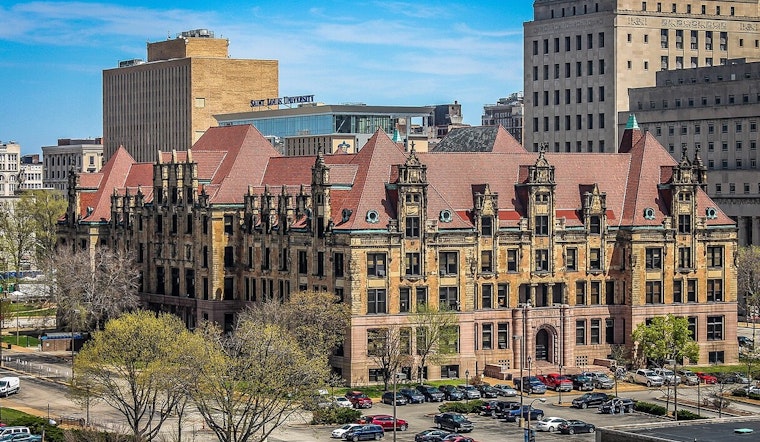
St. Louis is gearing up for a high stakes money question this spring, as city leaders formally kick off the push to renew the city's 1 percent earnings tax for another five years. The levy is the single largest source of general revenue for the city and helps pay for police and fire protection, trash pickup, parks and street repairs. With municipal elections set for April, City Hall is making it clear that keeping the tax in place is key if the city wants to fund core services without major tax shifts somewhere else.
What Voters Will Decide
According to the city's Board Bill 100, the ordinance placing the 1 percent earnings tax continuation on the ballot cleared the Board of Aldermen and was recorded as Ordinance No. 72067 on Dec. 12, 2025. The measure asks voters whether the 1 percent levy should be continued for a five year period that begins the January after the election.
When You'll Vote
The renewal question will appear on the April 7, 2026 municipal ballot, according to St. Louis Public Radio, alongside other local races and ballot measures that day. City officials say they plan an outreach push in the coming weeks to walk voters through the ballot language and spell out what a yes or no vote could mean for day to day services.
How Much It Pays For
The city's Collector of Revenue describes the earnings tax as a 1 percent levy on wages and local business profits and says it "makes up 36% of the general revenue for our city," funding everything from emergency response to parks and museums, according to the Earnings Tax Department. With that much of the general fund tied to a single tax, city officials are treating the renewal like a test of the basic operating budget.
Revenue Trends
Reporting by St. Louis Public Radio shows the city pulled in roughly $219 million from the earnings tax in 2024 and about $209 million in fiscal 2025, a drop of about 4.8 percent. Officials say one time deferred revenues and higher interest income helped soften that blow. Even with those cushions, the numbers highlight just how heavily municipal programs lean on the earnings tax in a tight budget climate.
Officials' Case For Renewal
Budget Director Paul Payne told committee members that the earnings tax is the single largest source in the general fund and projected it would generate roughly $232.3 million in the current fiscal year, warning that losing the levy could create credit risk for bond backed projects, as summarized by Citizen Portal. Bill sponsor Alderman Jami Cox Antwi pushed colleagues to advance the measure, arguing, "A 1% earnings tax is better than a 50% increase in your property taxes," according to the same account.
What Happens If It Fails
The Board Bill cites state statute authority and the five year reaffirmation rule under Section 92.115 RSMo, and city officials have repeatedly warned that a failed renewal would mean permanent lost revenue the general fund could not easily replace. That scenario would likely force deep service cuts or steep tax hikes, according to the Board Bill 100 record and local reporting. Council and budget staff say there are only so many tools available to fill a hole that size without major fallout for residents and city projects.
Next Steps
Voters will see the earnings tax question on the April 7 ballot. The city says details on the election and information on how the levy is applied can be found through the Collector’s office and the Earnings Tax Department web pages. Local TV has already started walking viewers through what is at stake, including coverage by KSDK, and city officials say outreach will continue right up to Election Day.





