

























































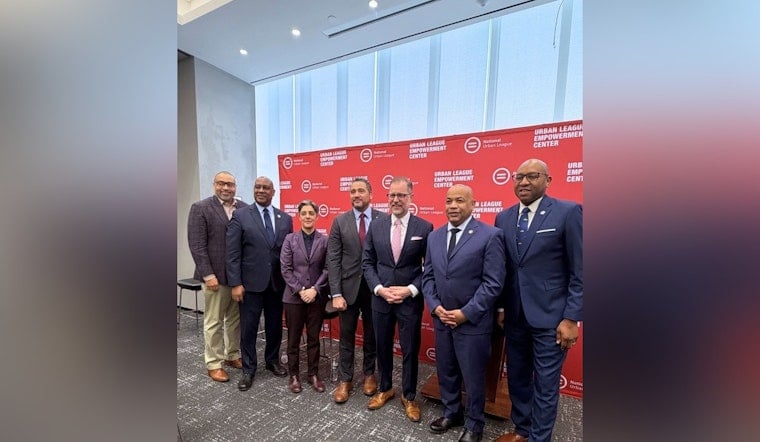
New York City Comptroller Mark Levine is sounding the alarm that rising costs and shaky employment prospects are pushing Black New Yorkers out of the five boroughs. Speaking Tuesday after a panel on job creation and housing, he boiled it down in one line: “What happens when you can’t find a good job and a place to live? You leave.” His office has pointed to an estimated decline of roughly 200,000 Black residents between 2010 and 2023 as a sign of how serious the problem has become.
Levine shared the warning on X after appearing on a National Urban League panel with Robert Rodriguez and Deputy Mayor Leila Bozorg. According to the Office of New York City Comptroller, the discussion zeroed in on how to kickstart job growth and expand affordable housing in neighborhoods that have been hit hardest by displacement. The comptroller framed the exodus as the predictable result of economic and housing pressures that, in his view, demand faster and more targeted action from policymakers.
What happens when you can’t find a good job and a place to live? You leave. — Mark Levine
— Office of New York City Comptroller (@NYCComptroller) March 3, 2026
What the data show
The 2020 decennial Census counted about 8.8 million residents in New York City. Compared with 2010, that snapshot revealed roughly an 84,400 drop in the city’s Black population, a trend flagged in post-census demographic writeups. That pattern is reflected in the city’s own population-division analysis as well as independent demographic reviews, while more recent federal estimates continue to show shifts in the city’s racial makeup. The U.S. Census Bureau’s QuickFacts provides the baseline population totals and percentage estimates that feed into these calculations.
Why jobs and housing matter
Panelists linked those demographic changes to a familiar one-two punch: limited access to stable jobs and sharply rising housing costs. The comptroller’s 2025 economic review highlighted troubling labor-market results for Black New Yorkers and an uneven recovery in the years since the pandemic, suggesting that some communities have had a much harder time finding their footing than others. City planning data also show that much of the city’s new housing has been concentrated in a relatively small set of neighborhoods instead of being spread across all five boroughs, leaving many long-standing communities exposed to relentless rent increases.
Panelists push for paired solutions
Officials on the panel argued that any serious fix has to tackle jobs and housing at the same time. They called for neighborhood-based job pipelines linked to new housing production, along with targeted supports aimed at helping at-risk families stay put. Rodriguez brings a construction-and-finance lens from his role at the state dormitory authority, while Deputy Mayor Bozorg is steering the city’s housing and planning agenda under Mayor Zohran Mamdani. Panelists said that speeding up the delivery of affordable units and expanding place-based workforce programs are among the most direct tools available to slow the out-migration of Black residents.
Levine’s terse post added new urgency to an ongoing City Hall debate over how to turn census tables and labor statistics into concrete policy. Whether his 200,000 figure is treated as a precise count or a broad warning, the takeaway was the same: without solid jobs and a realistic path to affordable housing, more families will keep packing up. The challenge for policymakers now is to match that level of concern with clear, measurable plans to steady neighborhoods and preserve long-standing communities.





