

























































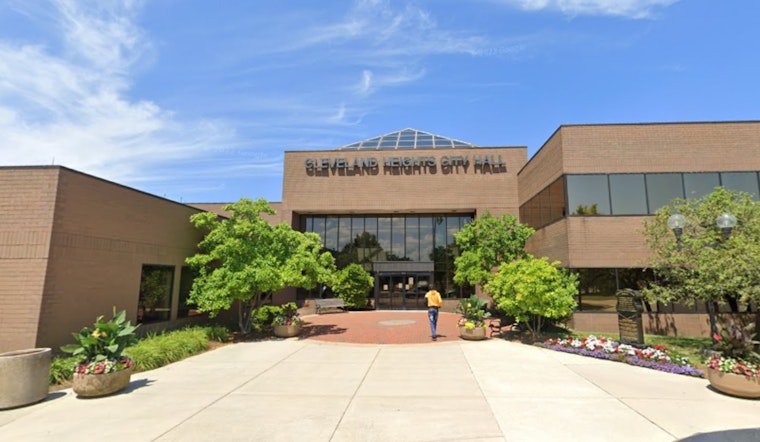
Cleveland Heights is staring down a financial mess that city leaders say is deeper than they thought, with unbudgeted invoices, surprise liabilities and a rapid drawdown of federal rescue money tightening the squeeze on cash.
After a series of recent finance briefings, officials told council they uncovered dozens of special funds, unexpected legal bills and rising personnel costs that, taken together, left the city’s books in far rougher shape than expected. Council members and staff say they are scrambling to plug gaps and shine more light on smaller contracts and obligations that had not been getting much public attention.
At a Feb. 23 Finance Committee meeting, Council member Jim Petras said staff identified nearly $850,000 in unforeseen expenses, along with an invoice from developer Flaherty & Collins for about $400,000 that never made it into the budget, according to Cleveland.com. That same reporting notes Moody’s Investors Service pulled the city’s A1 credit rating, leaving Cleveland Heights without a meaningful bond score and making near-term borrowing that much more complicated.
ARPA Money And Where It Landed
The city received more than $38 million in federal American Rescue Plan funds and has used that pot for projects including the Coventry Road parking-garage rehab, lead-abatement efforts and park improvements, per the City of Cleveland Heights. Those dollars were designed as one-time money for one-time needs, but administrators say new obligations and encumbrances have sharply reduced what is left for fresh initiatives.
Books Show Sharp Declines And Odd Entries
Council briefings and finance reports chart a steep decline in available cash. ARPA balances that stood at roughly $25 million earlier in 2025 fell to about $6.6 million by year’s end, while overall cash dropped by roughly $17.5 million, from about $82 million to $65 million. One city fund was left with just $71, according to Cleveland.com.
That coverage also details a list of unexpected hits: a roughly $340,000 judgment from an out-of-county landlord class action, about $100,000 in related legal fees, a mid-January state remittance that required reconciliation, and a roughly $200,000 cannabis-tax payment tied to a local dispensary. On top of that, personnel costs rose by more than $838,000 since January 2025.
City officials acknowledged there is no single repository for contracts. They said they have started posting city contracts under $50,000 online and have created a $20,000 discretionary account to handle small nonprofit funding requests, steps they argue will help prevent similar surprises.
Council Response And Context
Council members moved quickly to tighten oversight, formally approving the discretionary account, pressing for clearer accounting controls and demanding follow-up finance briefings.
The urgency is heightened by recent history. Last year’s budget talks turned into a drawn-out fight that leaned heavily on a large fund balance and took months of committee work to resolve, a contentious 2025 budgeting season previously reported by Hoodline. Staff now say their transparency push is meant to reassure residents and vendors that payments and contracts will be tracked far more closely.
What To Watch Next
Officials say the immediate priorities are finishing the 2023 audit and stabilizing cash flow ahead of the next budget cycle. The city’s finance director confirmation was recently noted in a City News Update.
The federal SLFRF rules are adding extra pressure: recipients generally had to obligate ARPA projects by Dec. 31, 2024, and have until Dec. 31, 2026, to actually spend the money, a timetable underscored by national local-government guidance. Council members have set additional finance committee meetings and say they plan to bring a fuller remediation plan to the public in the coming weeks.





