

























































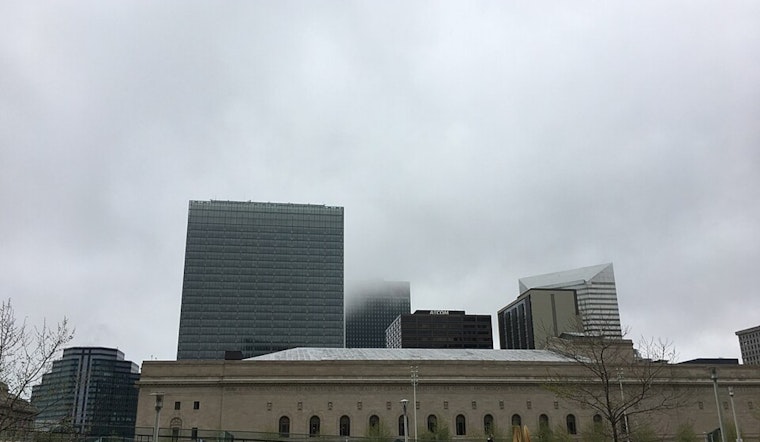
Cleveland woke up Friday, March 6, 2026, wrapped in thick fog and temperatures stuck in the mid‑30s, turning the morning commute into a slow crawl and cutting visibility along the lakefront. Low‑lying neighborhoods reported the murkiest conditions, and drivers were urged to pad their travel time and leave extra room to stop. Forecasters say the fog should thin out by midday as southerly winds kick in, but the rest of the weekend is expected to turn much warmer and a lot wetter.
Dense Fog Chokes Morning Drive
A Dense Fog Advisory is in effect through 10 a.m. Friday, March 6, 2026, with visibility dropping to a quarter mile or less in some low spots, according to the National Weather Service Cleveland. If you have to be on the road before midday, forecasters recommend using low beams, slowing down, and allowing extra stopping distance, especially on bridges and near the lake. Boaters on Lake Erie should also be ready for pockets of low visibility until the advisory expires.
Storms Fire Up Saturday
Showers and thunderstorms are expected to develop ahead of a cold front on Saturday, March 7, 2026, and forecasters say confidence is growing that a few storms, mainly along and east of the I‑71 corridor, could become strong to severe between noon and 5 p.m., with damaging wind and a small risk for embedded tornadoes, per the NWS forecast discussion. Saturday will feel unseasonably warm with highs near 70°F and southwest winds of 14 to 18 mph, gusting up to 30 mph. Rainfall is expected to total generally a few tenths of an inch, with locally higher amounts possible where heavier storms set up.
Plan Ahead For Commutes And Events
Residents with small outdoor plans on Saturday afternoon may want to move gatherings inside or reschedule to avoid the worst of the storms. Drivers are urged not to attempt to pass through standing water, and if thunderstorms roll in, the advice is to head indoors and stay away from windows. Keeping a weather app handy and tracking official updates will help you adjust travel or event plans quickly as the front sweeps through the region.





