

























































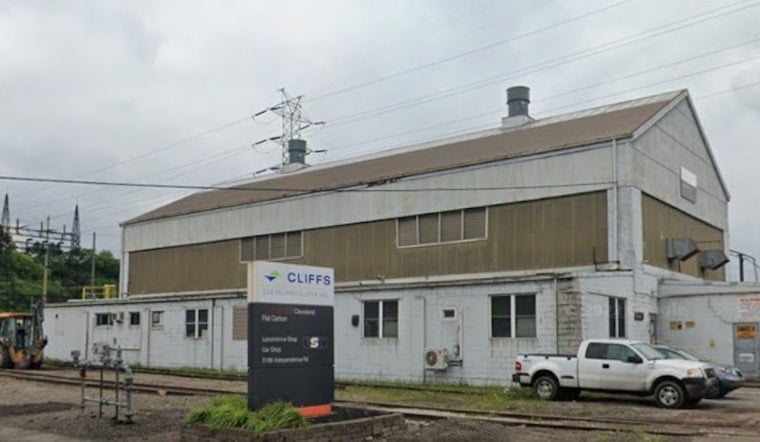
Ohio Attorney General Dave Yost filed suit Friday against Cleveland-Cliffs Inc. and oil-and-gas firm Duck Creek Energy, accusing the companies of mishandling radioactive waste and related equipment at Cleveland-Cliffs’ Cleveland Works steel mill on the city’s East Side. The complaint focuses on brine, oil and what the state describes as radioactive material that remained on company property, escalating a legal fight that has already been simmering in local courts for months.
According to Crain's Cleveland, the suit names both Cleveland-Cliffs and Duck Creek and lays out detailed allegations about how waste and equipment were managed at the Cleveland Works site in ways the state says may violate environmental and regulatory standards. The reporting notes that the filing seeks to tie both the site owner and the waste handler to the alleged problems.
The state’s move comes months after Duck Creek and a sister company sued Cleveland-Cliffs, claiming the steelmaker breached a lease and illegally tore out their operations, which they say led to brine and oil seeping into the ground and caused millions of dollars in damage, according to Bloomberg Law. That earlier case has already generated a flurry of motions, with Cleveland-Cliffs asking a judge to dismiss the claims.
Duck Creek and related businesses have for years processed oil-and-gas produced water into commercial products, including AquaSalina, a road de-icer. Critics argue that such brines can concentrate naturally occurring radioactive materials like radium-226 and radium-228. Environmental reporting has warned about the potential for long-term buildup when brine is spilled, stored or otherwise mishandled, a concern outlined by Canary Media.
What the state alleges
The Attorney General’s complaint, as summarized by Crain's Cleveland, accuses the companies of failing to properly control and dispose of oil-and-gas waste and related equipment on the Cleveland Works property, leading to contamination and alleged violations of Ohio environmental protections. The state casts the case as an enforcement action designed to hold both the landowner and the company that dealt with the brine responsible for any cleanup and compliance failures.
Cleveland-Cliffs has pushed back on key parts of Duck Creek’s earlier complaint and has asked the court to throw that case out, Bloomberg Law reports. The dueling lawsuits set up a fact-heavy showdown over who controlled what on the site and who will ultimately be on the hook for any remediation work.
Why locals should care
Advocates note that radium-226 has a half-life of roughly 1,600 years, meaning any contamination that is not cleaned up can linger for generations, a risk highlighted in reporting by Canary Media. Concerns like that have fueled a long-running debate in Ohio over how produced-water brines are labeled, tracked, marketed and disposed of.
Legal fallout could push cleanup
If the state prevails, the defendants could be ordered to carry out cleanup, pay civil penalties and submit to long-term oversight. Cleveland-Cliffs has previously resolved federal enforcement actions that required stepped-up compliance and penalty payments, as described in a Department of Justice case, and that history shows how environmental cases can lead to years of remediation obligations. The new lawsuit from the state adds another enforcement track that could speed up any future cleanup at the Cleveland Works property.
The complaint drops a high-profile state enforcement effort into a dispute that already had private parties at each other’s throats and it raises broader questions about how Ohio handles radioactive byproducts from oil-and-gas operations. Court filings, hearings and rulings will be the next chapters in a story with real stakes for local industry, state regulators and the communities that live and work around the Cleveland Works mill.





