

























































In Aguilar, a historic Las Animas County town of fewer than 500 people, the taps tell a story that no one here is enjoying. Residents describe cloudy water and a strong chlorine smell, and plenty of households are leaning on bottled water while town trustees race to fix aging tanks and patch up shaky finances. With a municipal election set for April 7, 2026, voters will soon decide who gets the unenviable job of steering the town through repairs and federal scrutiny.
State inspectors flagged unsafe tanks and missed testing
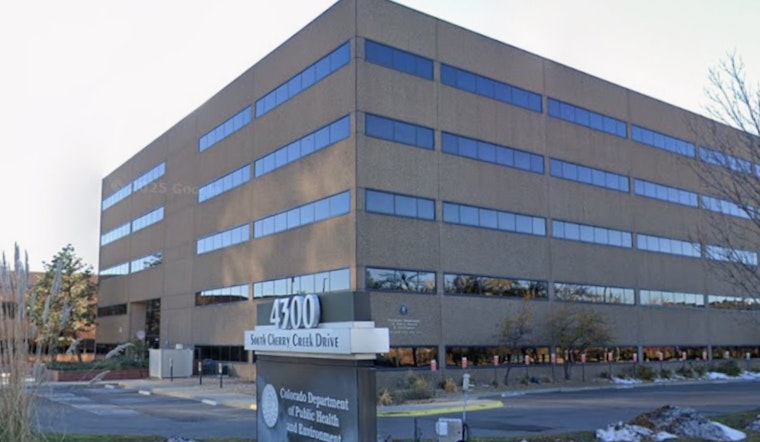
State records show Aguilar has been operating under a Colorado Department of Public Health and Environment compliance plan since 2023. A state report found one storage tank that “appeared to be unsound and may be close to collapsing” and another so badly corroded that it could allow contaminants to seep into the system. In a 2024 Colorado Department of Public Health and Environment annual compliance report, inspectors also warned the town had either not completed or not correctly performed required monitoring and testing, which meant water quality could not be reliably assured. The agency has ordered system upgrades and stricter monitoring intended to protect public health.
Criminal probe has shaken town finances
On top of the technical problems, Aguilar’s books are under a harsh spotlight. The Colorado Bureau of Investigation says its Economic Crime Unit’s work led to felony charges against former town administrator Tyra Marie Avila, who is accused of diverting more than $26,000 and commingling federal loan and grant money with the town’s general accounts. In a news release, the Colorado Bureau of Investigation says Avila faces counts that include theft, cybercrime, embezzlement, forgery and fraud by check. Investigators note that the town has since created a restricted account for the reservoir project to safeguard remaining funds, a move authorities say is meant to prevent more diversion while contractors and federal partners work through accounting and payment problems.
The augmentation pond was meant to fix the water-rights problem
Aguilar’s current fix-it plan sprang from a courtroom order. A Water Division 2 judge required the town to replace water it did not have the legal right to use, and the court-approved solution was an augmentation pond that would release water during high-demand periods. Local reporting says the project was funded with a combination of USDA loans and grants and state support totaling roughly $6 million. Then contractors walked off the job and filed suit over unpaid bills, which left the pond unfinished and the town’s water-rights obligations unresolved. Coverage by The World Journal and project documents indicate that work has restarted, and town officials say they hope to wrap up construction this spring so the system can meet both court orders and state requirements.
Audit lapses and an auditor’s warning
Behind the scenes, the paperwork has been just as troubled as the pipes. Aguilar failed for years to file required financial audits, which triggered freezes on some state distributions and made it harder to qualify for grants. When the town finally produced its most recent audit, the accountants issued a disclaimer of opinion rather than a clean bill of health. They warned that missing documentation and irregularities “raise substantial doubt” about Aguilar’s ability to continue as a going concern. That kind of auditor language, combined with the resulting squeeze on revenue, helps explain how infrastructure gaps and bookkeeping failures have been feeding off each other.
Restrictions, new controls and a fragile Main Street
For residents and small businesses, the impact shows up in both faucets and bank accounts. Official notices put Aguilar under stage-3 outdoor water restrictions as the town focuses on system repairs. The municipal website now carries meeting agendas, budget materials and water-quality reports that wary residents are tracking closely. Local leaders say the separate project account and tighter sign-offs on payments are intended to shield federal money while contractors finish work. On Main Street, those steps feel like a necessary, if fragile, attempt to steady a community system that has been stretched to the breaking point.
What comes next
In the near term, Aguilar faces two make-or-break tests: completing the augmentation pond and proving it can properly account for federal dollars. Even if construction wraps up as hoped, state regulators and auditors will be looking for clear records and consistent monitoring before the town can expect any loosening of ties to grant and oversight programs. When voters cast their ballots on April 7, they will choose trustees who could speed up reforms and transparency, or extend the slow, costly aftermath of years of missed audits and unpaid bills.
Legal implications
The criminal case brought by the CBI focuses on alleged misuse of public funds tied to federally backed infrastructure projects, and the charges carry potential felony penalties if proven. The CBI emphasizes that the counts are allegations and that the defendant is presumed innocent until proven guilty. Separate from the courtroom drama, civil and administrative reviews of how project money was spent could continue even after the criminal case is resolved, keeping Aguilar’s fiscal decisions under the microscope for some time.



