

























































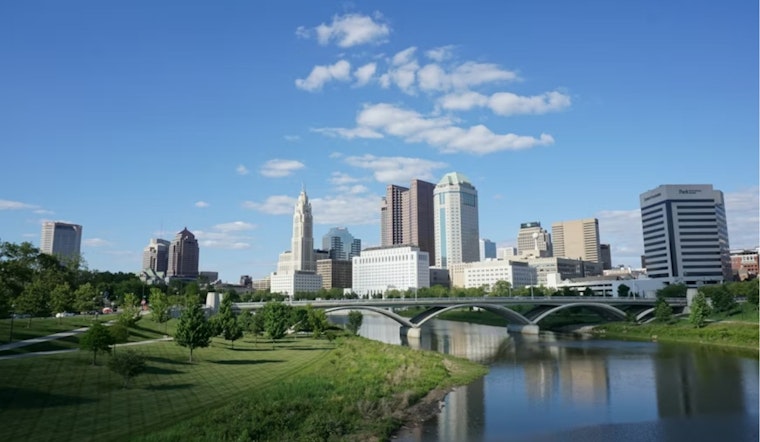
A new study has Columbus punching above its weight, ranking fifth in the nation for the number of live-work-play developments wrapped up over the past decade and first in Ohio. The numbers highlight a building boom that has reshaped downtown neighborhoods and pulled mixed-use apartments, offices and retail straight into the city’s core.
As reported by Columbus Business First, the ranking is based on an industry analysis that tallies completed live-work-play buildings over a 10-year window. The underlying research, compiled by CoworkingCafe, tracks mixed-use projects nationwide and places Columbus among the top five metros for sheer volume of deliveries.
Live-work-play projects are buildings that combine residential units with office, retail or entertainment space. Nationally, analyses show the number of these mixed-use projects and units climbing sharply over the last decade as developers chase urban convenience and amenity-heavy living, according to RentCafe.
Where Columbus’s projects clustered
Columbus’s live-work-play deliveries have clustered in and around downtown. Franklinton, the Short North and the Arena District have landed the bulk of large mixed-use builds and approvals in recent years. Local reporting and city planning documents show several multi-phase projects, including the Gravity/GreenHouse work in East Franklinton, along with smaller infill mixed-use approvals, moving through review and construction pipelines. Columbus Underground and City of Columbus bulletins outline many of the same downtown and near-downtown sites that helped fuel the tally.
That local pattern lines up with the study’s note that Columbus logged roughly 17 live-work-play projects in the examined decade and that only a small share of those buildings incorporate coworking spaces. CoworkingCafe also points to a higher share of lower-grade (C-rated) mixed-use buildings in Columbus compared with the national average, a detail that could influence where office and retail tenants ultimately choose to land.
Why builders are still piling in
Developers cite steady demand, a growing jobs base and local incentives as reasons Columbus remains an attractive mixed-use bet. Regional economic groups highlight strong project activity overall. The Columbus Region has touted sustained top-10 performance for corporate investment and has been actively marketing the metro’s development pipeline. “We’re proud to have led the Columbus metro to another historic year of economic development wins,” Jason Hall, CEO of The Columbus Partnership, said in a press release from the Columbus Region.
The ranking does not erase the challenges that come with a wave of mixed-use construction, from affordability and parking pressures to questions about how well jobs and housing actually line up. It does, however, cement Columbus on the national map for a development style many cities are chasing. City planners, builders and renters will be watching to see whether the next phase brings higher-quality office and retail space or more of the same apartments that, the study suggests, are helping drive up the count.
Editor’s Note: This article has been updated to correct the links to the CoworkingCafe study referenced throughout.



