

























































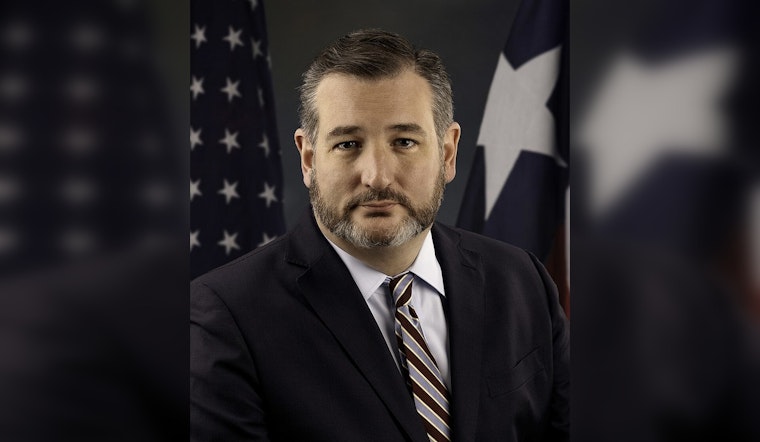
Bucking the usual partisan script, Sens. Ted Cruz (R-Texas) and Kirsten Gillibrand (D-N.Y.) have teamed up on a federal push to crack open years of secrecy around child sexual abuse. Their bipartisan bill, the Terminating Restrictive Enforcement of Youth Settlements, or TREY'S Law, targets nondisclosure agreements that keep survivors from speaking about what happened to them.
The proposal would render confidentiality clauses unenforceable when they block victims from discussing abuse or facts tied to that abuse. Supporters say it could unwind decades of quiet deals that let powerful institutions keep accusations out of public view and off the record.
Sen. Cruz cast the measure as an overdue course correction, saying, "No child who has endured sexual abuse should be forced to carry that horror in silence," in a press release via Senator Ted Cruz. The release notes that Sen. Gillibrand is co-leading the bill, joined by a cross-party group including Sens. Katie Britt, Peter Welch, Eric Schmitt and Amy Klobuchar.
The measure is named for Trey Carlock, a Dallas man whose family says settlement NDAs after alleged abuse at Branson's Kanakuk Kamps kept him quiet and contributed to his suicide at age 28, as reported by The Texas Tribune. Survivors and advocacy organizations such as RAINN have been calling for federal action after a wave of state-level laws that limit or ban NDAs in abuse cases.
What Trey's Law Would Change
Under TREY'S Law, any NDA clause that forbids or limits someone from disclosing the sexual abuse of a minor, or facts related to that abuse, would be legally unenforceable. That shield would apply no matter when the NDA was signed, whether it came before any dispute or as part of a settlement, according to a press release from Senator Ted Cruz. Backers argue that the retroactive reach is crucial so survivors already bound by gag provisions can come forward and assist investigators.
States Have Already Moved
The federal bill arrives on top of a growing patchwork of state reforms. Sen. Katie Britt, who helped lead the rollout event, pointed to her home state's law as a model, noting that Alabama's version was signed by Gov. Kay Ivey on Feb. 19, 2026, in a press release from Senator Katie Britt. Missouri and Texas have already enacted their own limits on NDAs in child sexual abuse cases, according to reporting by St. Louis Public Radio and KSAT, respectively.
Legal Implications
If Congress passes TREY'S Law, it would remove court-enforceable gag rules from settlements involving child sexual abuse and trafficking. That shift could open the door for more survivors to testify in legal proceedings and to share their stories publicly. The bill follows earlier federal efforts that scaled back the reach of NDAs in sexual assault and harassment cases, including the 2022 Speak Out Act, as documented on Congress.gov.
The legislation has been formally introduced in the Senate and will head to the committee process before any floor votes. Sponsors say they plan to move it "expeditiously," although the timeline for broader consideration is still uncertain. As it moves, both survivor advocates and powerful institutions will be watching to see how far a federal law can reach into years of confidential settlements and how courts respond to its retroactive scope, according to The Texas Tribune and sponsor statements.





.jpg)