

























































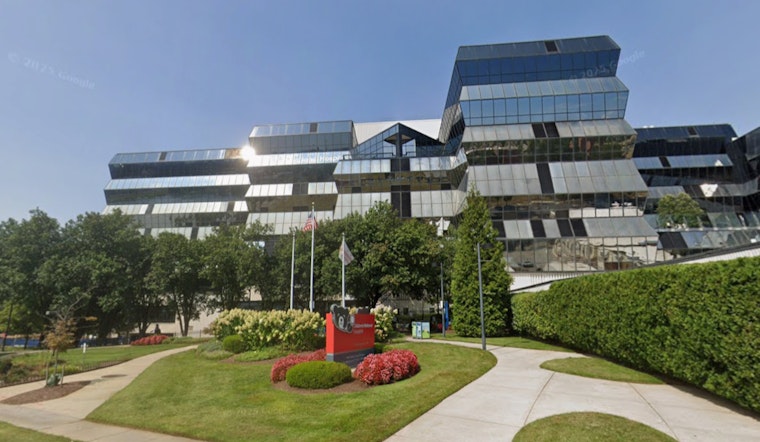
Children’s National Hospital in Washington, D.C. is seeing a surge of teenagers, and even kids as young as 11, coming in for cannabis use and addiction. Clinicians say the cases are showing up in the emergency department, in primary care offices, and in the hospital’s addictions clinic.
As reported by WTOP, Dr. Siva Kaliamurthy, who leads the hospital’s addictions program, said the youngest patients are in sixth grade, while "the typical patients are usually in high school." When the addictions clinic opened in 2022, he said most referrals were for fentanyl. Since then, cannabis cases have steadily climbed, with more families seeking help for heavy or secretive use rather than accidental exposures.
Kaliamurthy also warned that today’s cannabis is a different beast from what many parents may remember. Many plants now test at 20 to 25% THC, and some vape cartridges and concentrates deliver much higher doses. The products can be hard to spot at home, he told WTOP, because they often do not have the telltale smell, and some vape pens are designed to look like everyday items such as highlighters or gaming accessories. Heavy, chronic use can bring on cannabinoid hyperemesis syndrome, a condition marked by repeated vomiting and abdominal pain that can lead to dehydration and hospitalization.
New Studies Tie Teen Use To Serious Mental-Health Risks
Recent research is backing up what front line doctors are seeing. A large cohort study of nearly 463,000 adolescents published in JAMA Health Forum found that past year cannabis use during adolescence was associated with roughly double the risk of later psychotic and bipolar disorders, along with higher risks for depressive and anxiety disorders. Canadian researchers have reported similar age dependent associations, according to the Centre for Addiction and Mental Health.
Treatment Focuses On Behavior And Prevention
There are currently no FDA approved medications for cannabis use disorder. Treatment largely relies on behavioral approaches such as cognitive behavioral therapy and contingency management, according to the National Institute on Drug Abuse. Children’s National says its Addictions Program provides family centered behavioral treatment and coordinates with pediatricians for follow up care or higher levels of care when needed, according to the hospital’s website. For Washington residents, local prevention and youth treatment resources are detailed by the D.C. Department of Behavioral Health.
Doctors are urging parents to start conversations early, keep an eye out for sudden changes in mood or spending habits, and store cannabis products securely and out of reach. Families who are worried about a child’s use can contact their pediatrician or local behavioral health providers for evaluation and referrals.





