

























































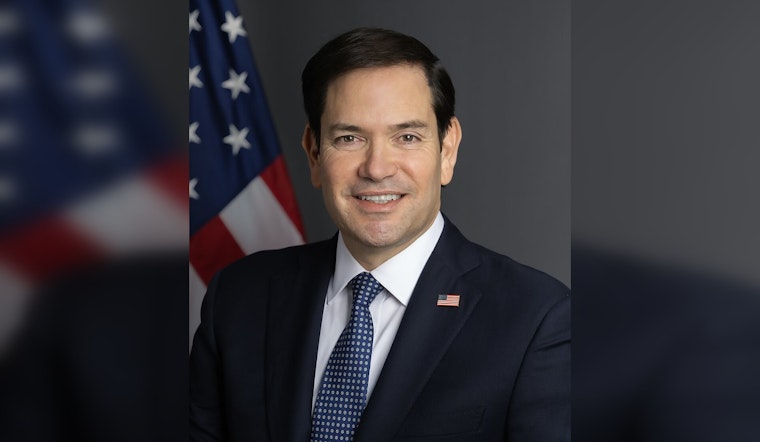
On Monday, March 9, the United States formally designated Afghanistan as a State Sponsor of Wrongful Detention, accusing the Taliban of holding American citizens as bargaining chips. Secretary of State Marco Rubio demanded the release of Americans he called "unjustly detained" and warned that the new label carries real consequences for Kabul. The move also pushed U.S. interagency teams and the FBI back into the spotlight as they work to locate and recover Americans believed to be held in Afghanistan.
What the designation does
The action taps authorities created by an executive order issued last September that allows the State Department to name countries that wrongfully detain U.S. nationals and to apply sanctions, export controls and visa restrictions, according to The White House. It is only the second time the new label has been used; Iran was tagged earlier this year, as reported in Iran got tagged first. Officials say the tool is meant to let Washington crank up pressure quickly when governments refuse to free detained Americans.
Who Washington singled out
Rubio directly blamed the Taliban and publicly named U.S. citizens the administration says should be released, including Dennis Coyle and Mahmood Habibi. He also cautioned that it is not safe for Americans to travel to Afghanistan while these cases remain unresolved, according to CBS News.
FBI, the Hostage Recovery Fusion Cell and the cases
The FBI amplified the State Department's designation and pointed followers to missing-person profiles through its field offices. The bureau's Sacramento account also re-posted the announcement on X, noted as FBI Sacramento. The Hostage Recovery Fusion Cell, the interagency hub that coordinates recovery operations and support for families, remains at the center of those efforts, according to FBI.
The bureau's public profile for Mahmood Shah Habibi details his disappearance from Kabul in August 2022. In a separate long-running case, reporting by Stars and Stripes recounts the disappearance of Paul Edwin Overby Jr., who was last seen in Afghanistan in 2014.
Taliban pushes back
Kabul's foreign ministry dismissed the U.S. move as "regrettable" and denied that foreign nationals are being held to squeeze concessions from Washington. Officials there insisted that many detainees were arrested over alleged legal violations, according to RFE/RL. The public denial sets the stage for a diplomatic standoff as Washington prepares to lean on economic and travel-related measures to press for releases.
Legal and diplomatic fallout
The designation lets the U.S. roll out targeted penalties, including sanctions, export controls and visa or travel restrictions, in an effort to deter what officials describe as "hostage diplomacy." That authority traces back to last September's executive order and to related steps in Congress, as outlined by AP News and Congress.gov. U.S. officials say those measures can be eased or lifted if Americans are released.
Families and advocates' reaction
Families of Americans believed to be held in Afghanistan welcomed the designation as a way to increase pressure, while stressing that it is no substitute for the quiet diplomacy that often drives actual releases. Advocacy groups called the move a clear signal to the Taliban, and relatives of detainees met with State Department officials to discuss next steps, according to CBS News.
The State Department continues to advise U.S. citizens not to travel to Afghanistan because of the risk of terrorism, kidnapping, arbitrary arrest and wrongful detention. For the latest guidance and consular resources, see the Afghanistan advisory at Travel.State.Gov.



(2).jpg)