

























































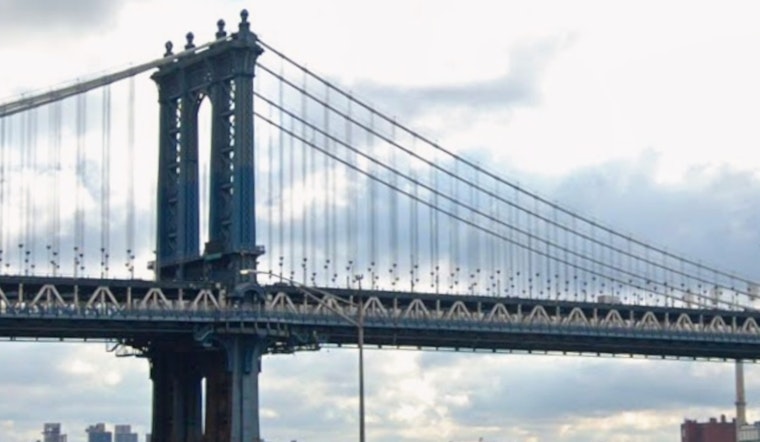
On a frigid January morning, Jonathan Pender was found unresponsive on the pedestrian walkway of the Manhattan Bridge and died hours later at a Brooklyn hospital. The city medical examiner listed hypothermia as the primary cause of death, with chronic and acute alcoholism as a contributing factor. In late February, about 50 people gathered for a small memorial in Brownsville, where relatives and friends shared stories and placed his ashes in a blue urn. Pender's death became one of several outdoor fatalities as New York City struggled through an extreme cold snap in late January and early February.
According to the New York Daily News, Pender was discovered at about 4:50 a.m. on January 30 on the Manhattan Bridge walkway. He was taken to a Brooklyn hospital, where he died roughly four hours later. The Daily News reported that his family held a February 25 memorial at Funeraria Juan, or John’s Funeral Home, in Brownsville, where small mementos were laid out, including an ash urn with a Superman emblem.
Family Remembers Jonathan
Pender's mother, Barbara, told the paper that "mostly everybody liked Jonathan," and relatives described him as someone who could still make people laugh even when life was hard. The February 25 gathering was intimate. People traded memories, prayed and, as the article described, tried to piece a life back together in public after it had been lost in private.
City Counts And Cold Response
The city's tally of outdoor cold-related deaths climbed after officials said another person was found under the Manhattan Bridge, bringing the number of people found outside during that stretch to 19, a count reported by Gothamist. Officials also acknowledged additional deaths at private residences as investigators reviewed each case, and the shifting total has intensified scrutiny of the city's outreach and shelter strategies.
Officials Say They Expanded Warming Efforts
City Hall kept New York under an enhanced Code Blue during the storm and opened extra warming centers, hotel placements and mobile outreach, according to winter-weather notices from the Mayor's Office. At a City Council oversight hearing, council members and advocates pushed the administration for clearer standards and faster outreach. Council Speaker Julie Menin said the deaths were "not inevitable," a line reported during testimony by local outlets.
For Pender's family, the memorial was a way to remember a son, nephew and friend rather than a casualty number in a storm tally. The quiet service in Brownsville highlighted how policy debates about outreach and sheltering ultimately show up in living rooms, funeral parlors and small gatherings across the city.





