

























































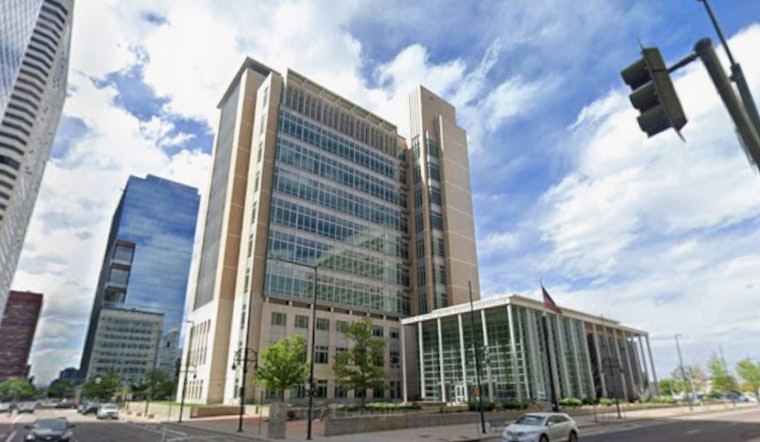
A new federal lawsuit out of Denver accuses Colorado of effectively warehousing kids in youth detention even after judges said they were clear to go, arguing the state has kept hundreds of young people locked up simply because it had nowhere else to put them. The filing says some of those kids, including youth with disabilities and serious trauma histories, sat in secure youth centers for weeks or months while officials scrambled to find foster homes or treatment placements.
What the complaint says
The 56-page lawsuit, filed in U.S. District Court in Denver, claims the Division of Youth Services routinely keeps young people in custody after they have been officially deemed “releasable” by a judge. Instead of walking out, the suit alleges, they stay behind bars solely because there is no available community placement or service slot, according to The Denver Post. The plaintiffs frame this as a long-standing, systemwide pattern that has played out over multiple years, not a handful of one-off mistakes.
State data and the longer history
State data has already been flashing warning lights. Under SB21-071, Colorado must track what happens to youth in pretrial detention. A Colorado Department of Human Services analysis of a July–December 2022 group found that 389 of 1,177 kids, or 33.1 percent, spent at least one extra day in secure detention after a court had ruled they were releasable. The median extra time was seven days. The report points to common bottlenecks, including waits for residential treatment beds, foster placements and completed bond paperwork, and it flags racial and regional disparities, according to Colorado Department of Human Services materials.
Named kids and who's suing
The complaint highlights individual stories to make its point. One is a 17-year-old identified as Isaac N., whom a judge found releasable but who allegedly remained in a state facility for nearly two more months. Another is “Tony S.,” a 12-year-old with autism who, according to the suit, stayed in detention for six months after a judge cleared him to go home. Those are described as examples of a broader pattern, not outliers, The Denver Post reports. The plaintiffs are represented by Disability Law Colorado, the ACLU, Children’s Rights, and the law firm Ropes & Gray, according to the complaint.
Advocates say the practice is harmful
Advocates who spoke with reporters say the extended confinement pulls kids away from family, school and consistent therapy, and can aggravate the very behavioral and mental health issues the system is supposed to address. Separately, outside coverage has documented allegations of excessive force, fights and drug use in Colorado youth centers. Those concerns helped push lawmakers last year to float new funding and policy changes to grow therapeutic foster care and other community-based alternatives, as detailed by The Colorado Sun.
Legal stakes and what could change
The lawsuit asks the federal court to step in and declare the practice unlawful, and to require the state to put safeguards in place so that youth who have been cleared by a judge can move into community settings instead of sitting in secure detention. That request lands on top of the existing SB21-071 reporting rules, which were designed to monitor and cut down on post-releasable detention and to expand non-detention options, according to the Colorado Department of Human Services materials.
The case is still pending in federal court in Denver. Advocates say a ruling in their favor could speed up state investment in placements and services so that youth cleared to leave detention can actually return to their communities.




