

























































Metro Denver Homeless Initiative (MDHI) has landed a spot as one of 10 pilot regions for Right at Home, a new national homelessness prevention effort, and is set to receive at least $5 million to build a local system aimed at keeping people housed before eviction turns into a full-blown crisis. The program scales a Silicon Valley model that pairs rapid, flexible financial help with hands-on case managers. Backers have raised roughly $77 million to seed pilots around the country and are providing both money and technical support to local partners.
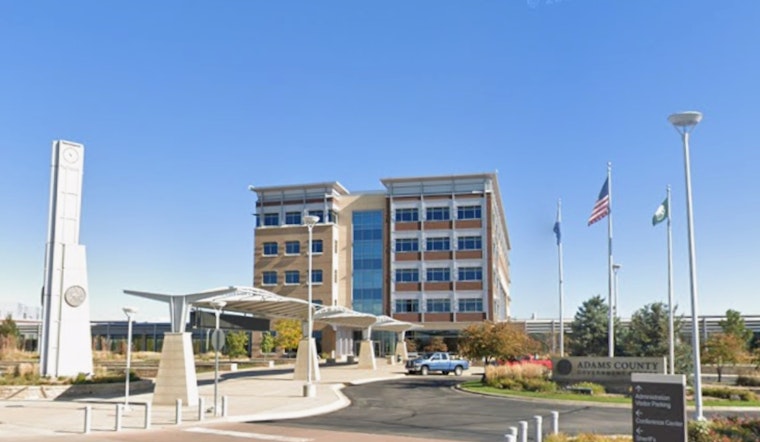
According to a press release from Adams County, MDHI received a $425,000 planning grant and "expects to receive a minimum of $5 million over the next three years" to launch Right at Home in Denver and Adams County. The pilot aims to keep more than 1,000 individuals and families stably housed over five years while building evidence that prevention can scale. MDHI’s executive director framed the effort as a deliberate move upstream, keeping people out of the homeless service system before they ever have to enter it.
Local reporting by Denver7 adds more color from partners on the ground. Destination: Home chief operating officer Ray Bramson described the funding as "a bridge" that can help families regain stability when they are barely hanging on. Jennifer Meyers, MDHI’s director of external affairs, told Denver7 the region is facing rising homelessness tied to the national affordability crunch. The outlet also reported that Destination: Home will not open local offices but will instead fund and provide technical and research support to local partners, leaving Denver-area leaders to decide how to get cash to households on the brink as quickly as possible.
How Right at Home Works
According to Right at Home, the model builds on Destination: Home’s work in Santa Clara County by combining short-term, flexible financial assistance with one-on-one case management. The money can be used for rent, emergency car repairs that keep someone working, child care gaps, or even a move out of unsafe housing. Case managers, meanwhile, connect clients with legal support, employment services, and other resources that shore up long-term stability. The idea is to avoid more expensive interventions, like long shelter stays or emergency healthcare, by cutting off housing loss earlier in the process.
Evidence and the Math
Research is a big part of why this model is getting a national rollout. A randomized controlled trial by Notre Dame’s Wilson Sheehan Lab for Economic Opportunities found that the Santa Clara prevention program kept more than 90% of participating households stably housed two years after receiving assistance. The study also estimated roughly $2.47 in community benefits for every $1 invested. The trial, one of the few randomized studies focused on homelessness prevention, helped convince philanthropic funders to back a broader rollout that will be tested in different local contexts. Local officials say the data will drive tweaks to who gets help, how they are referred, and how big those assistance packages need to be.
What’s Next for Denver
MDHI, working with the City and County of Denver and Adams County, will use the planning grant to design a local prevention system, identify service delivery partners, and build the administrative machinery needed to move flexible aid where it is needed, the Adams County announcement states. The Wilson Sheehan Lab at Notre Dame will serve as the national evidence partner and will work with MDHI to test outcomes in the Denver region. "If we are serious about solving this issue, we have to work upstream," MDHI Executive Director Jason Johnson said in the county release.
Why Local Leaders Say It Matters
Advocates and officials told Denver7 they hope a robust prevention system will blunt rising homelessness and ease pressure on shelters and emergency services. Denver7 noted that the Metro Denver Point in Time count tallied about 10,774 people experiencing homelessness in 2025, a figure leaders point to when describing the urgency. Supporters say the pilot’s locally tailored design, paired with rigorous evaluation, could help make the case for shifting more public dollars into prevention over time.
MDHI says planning work will begin immediately, with more details on partners, eligibility criteria, and timelines expected as the local system takes shape. Funders emphasize that the pilot will be tracked closely to see whether this brand of prevention can reliably scale beyond the initial 10 communities.





