

























































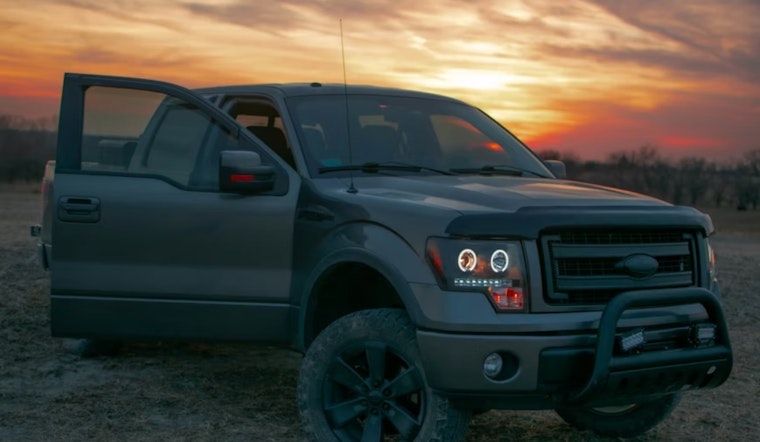
The nation’s best-selling pickup, the Ford F-150, is getting harder to spot on metro Detroit dealer lots, and that squeeze is hitting shoppers in the wallet. Dealers and buyers around the region say popular trims are thin on the ground and factory-ordered trucks are taking longer to show up. Ford has shifted labor and added production capacity to catch up, but analysts say it could be months before every trim level feels normal again. For local buyers, that means landing the truck they actually want is taking more time and, increasingly, more cash.
Shortage Is Raising Prices
As reported by the Detroit Free Press, F-150 supply at dealerships was down about 34% in February compared with a year earlier. Listing data show entry-level F-150s are averaging in the low $52,000 range, while high-end trims are averaging near $87,000.
The Detroit Free Press also notes that buyer loyalty to the F-150 has slipped to roughly 32.8% year to date, down from a 10-year average of 42.2%. That suggests more longtime owners are willing to at least look at other brands when their preferred F-150 trim is nowhere to be found. Those shifts are helping push transaction prices higher even where the MSRP itself has not changed.
Aluminum Fire and Supply Crunch
A big part of the shortage traces back to a Sept. 16, 2025 fire that badly damaged the hot mill at Novelis’ Oswego, New York plant and the slow rebuild that followed. Novelis has told investors it expects the damaged section to be operational again by the end of June.
Ford has said the outage and resulting aluminum shortfalls will cost the company roughly $1.5 billion to $2 billion. The company has been pushed to buy hot-band aluminum from non-Novelis sources at a premium, and the rerouted shipments have translated into higher freight and premium costs across assembly lines, according to filings by Novelis and reporting by Manufacturing Dive.
Ford’s Production Response
To blunt the shortfall, Ford has announced plans to add a third crew at its Dearborn Truck Plant and increase line speed at its Kentucky Truck Plant. The moves are intended to add more than 50,000 F-Series trucks in 2026 and create up to about 1,000 jobs.
The company said it would redeploy workers from some electric-vehicle lines and invest in training and plant enablers to support the ramp-up, steps outlined in Ford’s production announcement last fall and detailed by the company. The goal is to refill dealer pipelines, but more crews cannot instantly replace hot-mill capacity lost to the fire. That extra production will take weeks to fully show up on dealer lots.
Higher Fees and Freight Are Adding to the Bill
Even with those production steps, price pressure has not gone away. Ford has raised destination and delivery charges and is paying higher premiums to source aluminum out of region, which executives say is driving up costs for factories and customers.
The Detroit Free Press reports that Ford increased the 2026 destination fee on F-150s and Expeditions by about $200 to roughly $2,795. Industry trackers such as Kelley Blue Book note that destination fees have climbed across the industry as shipping and tariff pressures rose last year.
What This Means Locally
For Detroit-area shoppers, all of this adds up to thinner dealer lots for popular configurations, longer build-and-delivery windows for custom orders, and more frequent dealer-to-dealer transfers to track down the right truck.
The scale of the problem helps explain the urgency. The F-150 uses hundreds of pounds of aluminum, roughly 700 pounds per truck by some estimates, so a gap at a major mill quickly cuts into finished output. With Novelis aiming to restore the Oswego hot mill this summer and Ford adding crews at its Rouge complex, some relief could begin in late spring or early summer, though uneven availability is likely to linger into the year.
Shoppers who need a truck right now should compare local inventories carefully and factor destination and shipping costs into the total price. Those who can wait may see the market loosen as suppliers and Ford restore capacity. We will keep tracking factory restart schedules and dealer inventories as they develop.





