

























































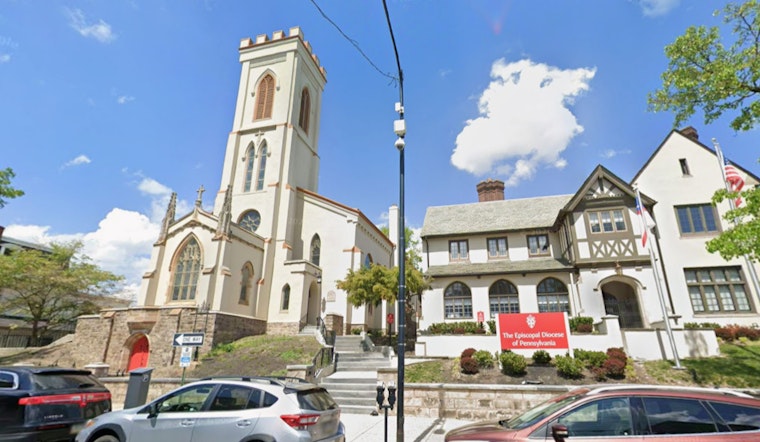
The Episcopal Diocese of Pennsylvania is teaming up with a national developer to overhaul 26 church properties across the Philadelphia region, a sweeping effort church leaders say could produce more than 1,000 housing units in the city and surrounding collar counties. The plan aims to convert aging, expensive-to-maintain buildings into a mix of housing and community space while generating new income for parishes that are feeling the financial squeeze.
Diocese names project, scope and potential impact
As reported by the Philadelphia Business Journal, the diocese has flagged 26 properties for evaluation and estimates the partnership could yield more than 1,000 housing units spread across Philadelphia and four collar counties. Some of the churches are in Center City and other neighborhoods where adaptive reuse could bring a mix of for-sale and rental housing alongside new community space.
Michaels Organization to lead master plan and select builds
The diocese has tapped The Michaels Organization as its strategic partner on what it is calling the Transformation Initiative, a collaboration Michaels detailed in a March press release. In that release, The Michaels Organization said it will serve as development consultant on a diocesan-wide master plan and act as the developer on select sites, bringing in architecture and planning firms to handle design work and community outreach.
Why the diocese is pushing redevelopment
The push grows out of the diocese’s Transformation Initiative, created to help congregations rethink underused buildings and escape mounting maintenance costs. The program is billed as a way to generate steady revenue that can support ministry while keeping congregational life intact. Diocese of Pennsylvania materials say the initiative stems from Bishop Daniel Gutiérrez’s effort to reorient diocesan assets for long-term mission rather than short-term survival.
Conversions have run into zoning and preservation questions
Church conversions are not exactly new territory in Philadelphia, but they rarely come easy. Projects often have to thread the needle on zoning rules, historic preservation reviews and neighborhood concerns. Recent coverage in The Philadelphia Inquirer has tracked several church-to-housing projects and the regulatory questions they raise, including when historic protections kick in and how special-use restrictions apply.
What happens next
According to The Michaels Organization, the partners will move one property at a time: drafting the master plan, lining up community engagement and financial analysis, then deciding which sites advance to full development proposals. The press release outlines a revenue-sharing model meant to ensure parishes see financial benefit without having to turn into real estate experts. At the same time, Diocese of Pennsylvania materials emphasize that each project’s process will prioritize listening to local congregations and surrounding neighbors before plans are finalized. Both the diocese and Michaels say more detailed timelines and site decisions will come after those outreach and planning steps.
What to watch
Key questions now are which specific properties make the cut for development, how historic-preservation reviews play out in Center City and older neighborhoods, and whether projects end up relying on public subsidies or zoning relief. The diocese and its development partner say community meetings will roll out as proposals for individual sites take shape, while filings with city agencies will ultimately reveal final unit counts, designs and any regulatory breaks they seek.





