

























































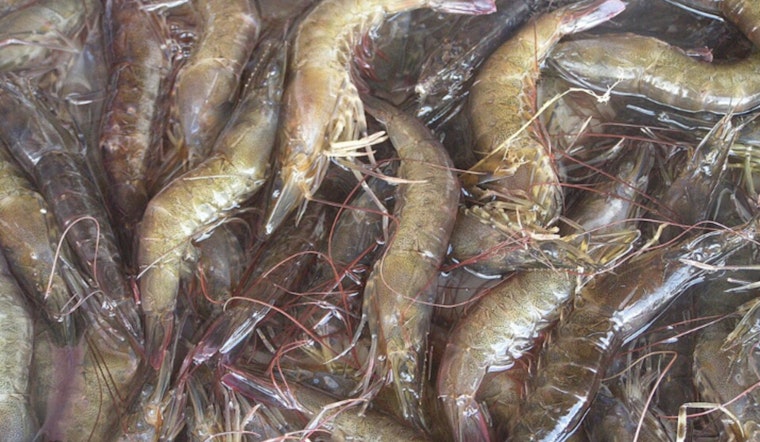
That “Mayport shrimp” piled on plates around Jacksonville? A new round of genetic testing says most of it never saw Mayport, or even the U.S. coastline.
Researchers found that a majority of shrimp dishes sold under the Mayport name were actually imported or farm-raised. Out of 44 menu items sampled, only 14 plates, or 32 percent, contained authentic American wild-caught shrimp. The remaining 30 dishes, or 68 percent, were imported or farm-raised, and in 25 establishments, menus or staff explicitly misrepresented the shrimp as local. Diners were also paying extra for the privilege, with the mislabeled plates running about 2 dollars more per dish than verified local shrimp.
What the DNA testing found
SeaD Consulting collected shrimp samples between March 6 and 8, then ran rapid genetic assays to trace where the seafood actually came from. The analysis showed that 30 of the 44 dishes tested were imported or farm-raised, while only 14 were confirmed as American wild-caught shrimp. In 25 cases, the testing report says restaurants or staff explicitly described imported shrimp as local Mayport product.
SeaD’s release also links to its full testing report and a methodology note outlining how restaurants were chosen for sampling, which may be of interest to anyone who wants to dig into the fine print before their next seafood dinner.
Who the study named
The Southern Shrimp Alliance, which commissioned the testing, is calling the practice a straight-up bait and switch and is pushing for clearer labeling rules. “False advertising and mislabeling of shrimp dishes negatively impacts our American wild-caught shrimping industry,” Blake Price, director of the alliance, told News4JAX.
The outlet also reports that six of the restaurants flagged in the study for misrepresenting Mayport shrimp appear on the city’s official Mayport Shrimp Trail, which is supposed to spotlight places serving the real deal.
Where to find authentic Mayport shrimp
According to SeaD Consulting and local coverage, only a short list of businesses in the study accurately described what was on the plate. Among the examples named were AJ’s Seafood and Fisherman’s Dock Seafood Market, both cited for correctly representing their shrimp.
The Mayport label carries extra weight for tourists. Visit Jacksonville promotes the Mayport Shrimp Trail as a coastal attraction built around shrimp landed at the Mayport docks, which makes mislabeling more than a kitchen quirk. It is a brand protection problem for a working waterfront that ties local heritage directly to visitor dollars, and that mix of culture and cash is a big part of why advocacy groups are pushing for tighter transparency on menus and at fish markets.
Legal and regulatory angle
Advocates say Florida has yet to adopt a statewide labeling law that would force restaurants to disclose shrimp origin, even as the Southern Shrimp Alliance points out that many other warm-water shrimp states have passed rules to tackle false advertising, News4JAX reports. Industry materials and local reporting argue that clear labeling and real enforcement are the tools other states are using to protect both fishermen and diners.
Federal regulators have chimed in too. The Federal Trade Commission warns that restaurant décor, menu language or even social media posts that create a misleading “net impression” of wild, fresh-caught or local seafood can cross the line into deceptive advertising.
What diners can do
If you are ordering Mayport shrimp, ask where it was caught and whether the kitchen can confirm it is U.S. wild-caught. Check menus for clear country-of-origin details and pay attention to price, since the study found that mislabeled plates tended to cost about 2 dollars more.
If you believe a restaurant has misled you about what is on your plate, save a copy or photo of the menu, note what a server told you, and raise the issue with the business or with the consumer protection agency you prefer. Your questions might not change that particular dinner, but they could help tighten the net on misleading seafood claims around Jacksonville.





