

























































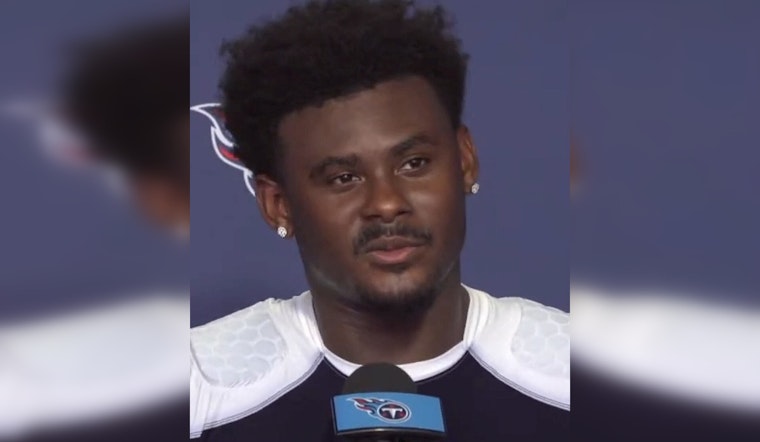
Malik Willis is not walking into Miami quietly. His mix of arm strength and sudden burst as a runner convinced the Dolphins' new brain trust to make an aggressive move at quarterback and give him a real shot at winning the starting job. The bet is that a more mobile passer can reshape an offense that will ask its quarterback to move, sell play-action and threaten defenses outside the pocket.
According to NFL.com, the Dolphins agreed to a three-year, $67.5 million contract with Willis that includes about $45 million fully guaranteed. The team later confirmed the signing in a March 12 press release and, in his player bio on the club site, listed his career totals at 105 completions on 155 attempts for 1,322 passing yards, along with 74 carries for 405 rushing yards at a 5.5-yard average, an announcement available from the Miami Dolphins.
Miami's revamped front office and coaching staff have been upfront about why they targeted him. General manager Jon‑Eric Sullivan and head coach Jeff Hafley had two seasons to study Willis in Green Bay and liked what they saw, as reported by ESPN. And, as Miami Herald recounted, Packers coach Matt LaFleur labeled Willis "unusually athletic" for the position and noted that he went 2-1 as a replacement starter, while also warning that any quarterback still needs the right supporting cast to truly take off.
Those glimpses were not imaginary. Willis' brief sample in Green Bay included three starts in which he delivered efficient passing and enough designed runs and scrambles to alter a defensive game plan, according to NFL.com. The Miami Dolphins outline those career totals and rushing averages in their own announcement, numbers this new staff clearly believes can grow with more first-team reps.
Willis' Numbers, In Context
In blunt terms, Willis offers a very different profile than the more traditional drop-back quarterbacks Miami has leaned on recently, but he arrives with only a sliver of NFL game tape. Michael Vick finished his career at roughly 7.0 yards per carry and about 42.7 rushing yards per game, and Lamar Jackson's career sits in the neighborhood of 6.0 yards per carry and about 56.2 rushing yards per game, benchmarks for dual-threat excellence by historical standards, according to career logs at Pro-Football-Reference and Pro-Football-Reference. Josh Allen's rushing profile checks in closer to the mid-5s in yards per carry and roughly 36.9 rushing yards per game, per StatMuse. Against that backdrop, Willis' listed 5.5 yards per carry and his willingness to finish runs help explain why Miami was willing to pay for his upside, even if the sample size is still limited.
QB Room And The Job Ahead
Bringing in Willis did not close the door on competition. Miami still has rookie Quinn Ewers and recent addition Cam Miller on the roster, so the job will have to be won on the field during spring work and training camp. Local outlets and team trackers, including NBC Miami, expect Willis to get early reps and likely open camp at the front of the line, but roster calls and regular-season starts will ultimately depend on how the offense looks in practice and preseason action.
LaFleur's warning that a quarterback's ceiling often depends on the players around him doubles as Miami's immediate to-do list: protect Willis up front, add a complementary receiver or two and create space for an athletic quarterback to turn speed into production, points that Miami Herald and other analysts have emphasized. For now the Dolphins have swapped a mostly drop-back passer for a higher-variance, higher-ceiling athlete, and whether that move becomes a bargain or an expensive gamble will come down to how the roster develops and how the play sheet is called.




