

























































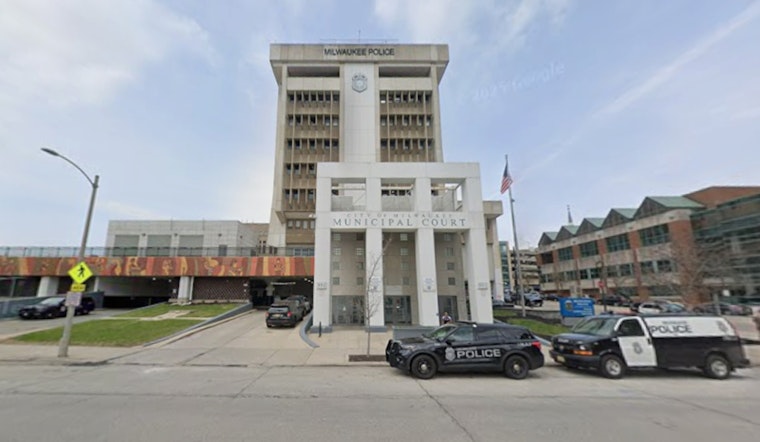
On Milwaukee's north side, some Harambee residents say they are sleeping a little lighter these days. Neighbors report a recent run of strangers quietly grabbing door handles and stepping onto porches, turning routine evenings into tense what-was-that moments.
On Feb. 25, neighbor Mike Minervini says a stranger walked up to his home and tried his locked back door while he was inside with his 2-year-old daughter. At block meetings, other residents have described similar close calls. Those near misses, neighbors say, have pushed block clubs to trade tips on locks, lighting and cameras in an effort to stay one step ahead.
Those accounts are included in reporting by the Milwaukee Journal Sentinel, which notes that residents including Minervini and Franklin Heights block-club leader Carol Polk have seen incidents stretching back into 2024. The paper reports that Milwaukee police sometimes check a property after a call but do not always create a detailed report if the person is gone on arrival. Minervini also described his Feb. 25 experience in a Facebook post, according to the Journal Sentinel.
What Organizers Call "Shacking"
Neighborhood safety workers say the pattern has a name: “shacking,” a term they use for people testing car and home doors to see what is left unlocked and easy to take. Tony Harris, Safe & Sound’s Neighborhood Safety Coordinator for District 5, works with block clubs and district staff to track where this is happening and to help neighbors organize responses, according to Safe & Sound.
Local leaders say the worry is not just stolen wallets or electronics. They are also concerned about firearms taken from cars and homes, which can be altered or stripped so they are harder to trace, contributing to the spread of so-called “ghost guns.” Federal officials have flagged that risk in recent rulemaking and guidance from the U.S. Department of Justice.
Police and Prevention Advice
Crime-prevention materials and city guidance focus on practical, visible steps that make a would-be intruder think twice. Strong deadbolts, security doors or gates, bright exterior lighting and clear sightlines are all cited as ways to cut down on easy entry and increase the chances that someone will notice suspicious activity.
The city’s Crime Prevention Through Environmental Design brochure notes that lighting and visibility can shrink hiding spots around homes. Police also encourage residents to install cameras and alarm systems when they can. Neighborhood liaison officers and the Community Partnership Unit can help residents document ongoing problems, coordinate communication and, where appropriate, pursue nuisance or code remedies through city channels.
Money and Organizing
Many Harambee block clubs are turning to neighborhood grant programs to pay for deterrents like flood lights, doorbell cameras and safety-focused events. Safe & Sound runs a Good Neighbor Grant Fund that lets resident groups apply for money to support these kinds of projects. Applications must include at least three residents from different households along with a simple project budget, according to Safe & Sound. The Journal Sentinel reports that groups may be eligible to request up to $2,000 per application to cover deterrents and community programming.
For now, neighbors say the most useful moves are basic habits that make targets less attractive. Residents are urged to stow valuables and firearms out of sight in vehicles, add extra locks and exterior lights, document suspicious people with cameras if it is safe to do so and share information quickly with nearby households.
If someone is at your door or acting aggressively, authorities say to call 911. For follow-up, longer term problem solving and help with organizing block watches or applying for grants, residents can contact their police district or community organizers who work in the neighborhood.





