

























































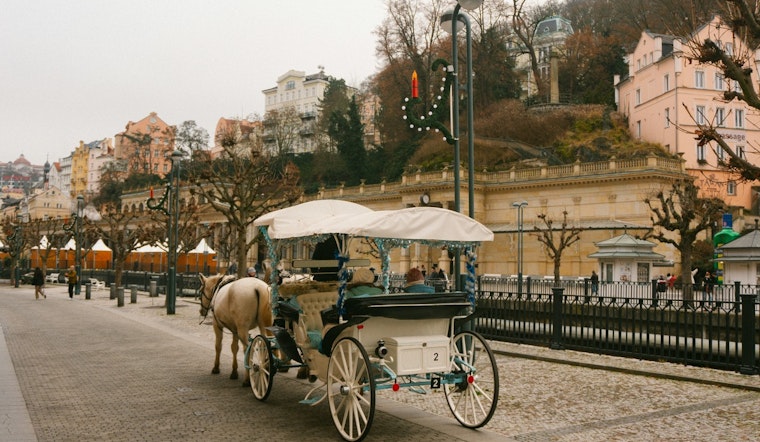
San Antonio is gearing up to swap clip-clops for quiet whirs this fall, as the city prepares to test battery-powered carriages while it phases out traditional horse-drawn rides. Councilman Jalen McKee‑Rodriguez is pushing for a short pilot that would let operators try electric models as the city hunts for funding to help cover the switch. The move follows last year’s decision to stop issuing new carriage and horse licenses and to end equine-powered tours by Jan. 1, 2030, putting five permitted companies and roughly 81 drivers in the middle of a high-stakes fight over tourism, animal welfare and paychecks.
Councilman pushes fall pilot
McKee‑Rodriguez told the Transportation and Infrastructure Committee he wants a pilot program up and running by the fall so carriage owners can get behind the wheel of battery-powered rigs and so the city can survey riders and businesses about the change. As reported by the San Antonio Express-News, the pilot is expected to be short, with the possibility of financial help for operators who decide to make the jump.
Where the phaseout stands
The phaseout traces back to a council consideration request and a late-2024 vote that halted new horse-drawn carriage permits and set a firm deadline to prohibit equine-powered rides by Jan. 1, 2030, according to the City of San Antonio. Council materials show that carriage operating hours will be ratcheted down in stages while city departments coordinate workforce and business transition services, including referrals to Launch SA, LiftFund and Ready to Work, so drivers are not left scrambling at the last minute.
How electric carriages would work
City staff told the Transportation and Infrastructure Committee that the so-called electric “EVS” vehicles would have to be chauffeured, powered only by electric motors, capped at 35 miles per hour and could run about $20,000 each, figures laid out during a December committee briefing by the San Antonio Transportation and Infrastructure Committee. Officials noted that a small number of EVS permit holders are already operating shuttle-style electric vehicles downtown, which they say could provide a working model if the new carriage pilot moves ahead.
Driver pushback and tourist appeal
Many of the people who actually drive the carriages are not sold on the plan. A 2024 city-led survey of 44 drivers found nearly three-quarters said they were not interested in switching to electric models, and more than half indicated they would likely look for other work if carriages are banned altogether. Carriage owners also told council members that tourists come specifically for the horses, and that tips on those rides can significantly boost some drivers’ earnings, according to the San Antonio Express-News.
Legal and economic concerns
Attorneys for the carriage companies have warned the city to expect possible legal challenges, arguing the ban could be preempted by state law and stressing that many owners are still paying off debt on their existing equipment. Council members ultimately agreed to a five-year timeline in an attempt to soften the immediate economic hit. Coverage of the December vote also flagged the city’s plan to shrink operating hours gradually and to provide transition support in order to limit job losses among the roughly 81 drivers and five permit holders, concerns that KSAT documented during public hearings.
What’s next
The Transportation and Infrastructure Committee is slated for more briefings to hammer out technical standards, possible funding help and any code changes needed to allow battery-powered carriages or EVS conversions before a pilot can roll. If the committee signs off, McKee‑Rodriguez is hoping a short fall pilot will give operators a real-world look at whether electric carriages can keep downtown tours alive without horses, according to the San Antonio Transportation and Infrastructure Committee.




