

























































The Capitol Area Development Authority is sizing up a bigger role in Sacramento’s next wave of downtown projects, from a possible condo conversion to fresh buildouts along the R Street corridor. Those ideas surfaced during a recent board of directors workshop that produced a “potential project docket” for the agency to chew over. Every item on that list would still need a willing developer, solid financing and city approvals before anything actually breaks ground.
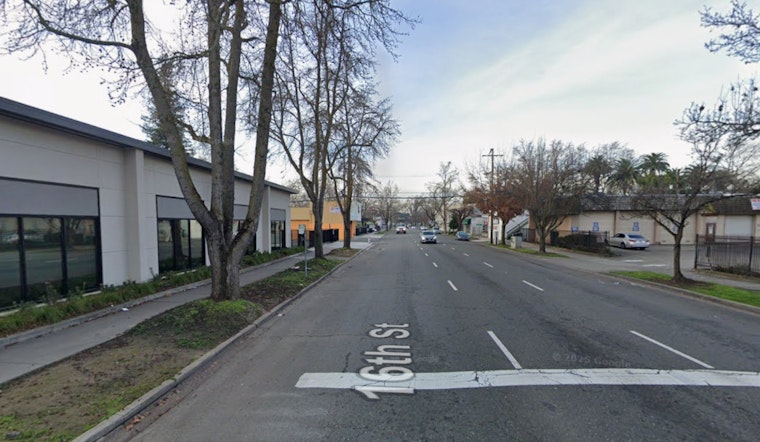
According to the Sacramento Business Journal, the docket outlines several concepts CADA might help move forward. That includes Sakura, an affordable housing project at 16th and T streets, along with language about studying whether underused buildings could be converted into for-sale condominiums. Reporter Ben van der Meer described the list as preliminary material for the board to consider, not a firm commitment.
On-the-ground projects: Sakura and the pipeline
Sakura, a 134-unit, all-electric affordable project planned for the southwest corner of 16th and T, is already working its way through permits and financing. It appears on the Capitol Area Development Authority public projects page with a projected construction window from mid-2026 to early 2027. As described there, the proposal calls for ground-floor retail, bike storage and resident services tied to transit access. Local coverage of the October groundbreaking also pointed out that the site was previously used for auto repair and noted state funding that helped unlock the deal.
R Street momentum
The R Street corridor is already in the middle of a CADA-backed growth spurt, with the most visible example being Monarch, a 241-unit affordable development that broke ground in 2025 and is slated to open in 2027. Local reporting has highlighted Monarch’s size, its artist-focused outreach and its combination of ground-floor commercial space with deeply affordable apartments, underscoring R Street as a key redevelopment focus for the agency and its nonprofit affiliate. Community and planning groups say a cluster of projects along the corridor is meant to keep workers and artists living close to the core while also bringing in more neighborhood amenities.
How projects move from idea to build
Per the Sacramento Business Journal, nominations tied to the new docket carry an April 24 deadline, with a public event titled “2026 Redefining the Core” set for May 7. CADA staff plan to use upcoming meetings and workshops to decide which ideas should be developed in more detail. Any conversion-to-condo proposal would need a development partner, a workable financing structure and city sign-off, which typically involves environmental review, permitting and public input.
Why it matters for Sacramento
Turning underused properties into for-sale condominiums would mark a notable shift for the central city, which has leaned heavily into affordable and workforce rentals in recent years. CADA’s own materials point to the agency’s dual mission: managing state-owned properties while also initiating private development in the Capitol area. That mix gives CADA leverage to steer both affordable projects and market-rate efforts that could significantly reshape neighborhood character. How the board balances those aims will influence whether downtown sees more chances for homeownership or continues to emphasize rental and affordable pipelines.
For now, the potential docket is more sketchbook than blueprint, but it offers a clear look at what CADA staff and board members are weighing for the coming year. Developers, neighborhood advocates and residents are likely to be watching board agendas and the May 7 event closely for clues about which concepts are poised to gain real traction.





