

























































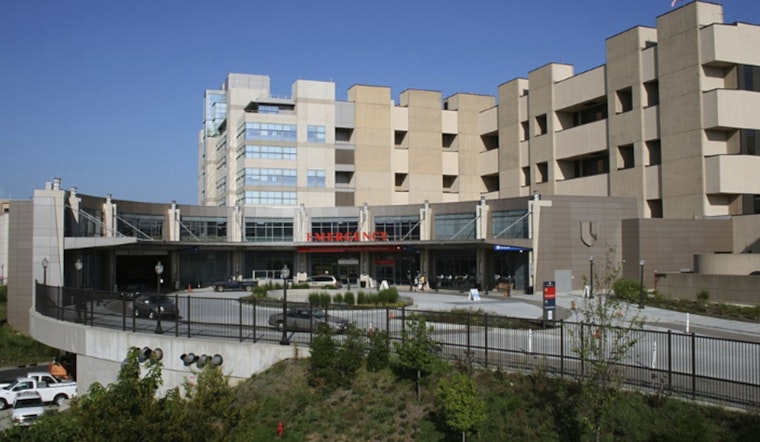
Duke University and Duke University Health System are putting serious cash on the table, rolling out a roughly $203 million Homegrown initiative that they say is designed to keep more of the Triangle’s booming economy in local hands. The three-year push centers on four pillars - employ, build, buy and invest - and sets concrete targets for local hiring, construction contracts and affordable-housing support so longtime residents are not left watching the growth from the sidelines.
As outlined by Duke, progress will be tracked on a public dashboard at homegrown.duke.edu, with regular updates on hiring, contracting and housing outcomes. Duke is pitching Homegrown as a cross-campus effort between the university and Duke Health, with the dashboard expected to spell out measurable benchmarks for entry-level hiring and local business spending. Officials say the public scoreboard is meant to let neighbors and community groups see if the institution actually hits its marks.
What the money will pay for
According to WRAL, the package includes a $120 million commitment to Triangle-area construction firms and a $38 million increase in funding for affordable-housing developments, including payment assistance and savings support for first-time homebuying Duke employees. The plan also aims to add about 75 summer internship slots and to lift the share of local residents hired into entry-level roles from roughly 69 percent to 80 percent. Duke says it will boost small-business spending by an estimated $45 million over three years and steer some of that capital through community development banks.
In a statement to WRAL, Ian Brown, Duke’s chief community health and social impact officer, said, "Homegrown is an opportunity to expand opportunities so many more families can build lives in the Triangle." Adam Klein, Duke’s associate vice president for economic development, told WRAL the initiative responds to data showing a pay gap for North Carolina natives living in the Triangle and is meant to close that divide.
Next steps and community touchpoints
Duke says it will host a forum next month for the construction community to get briefed on upcoming projects and how to bid on them, and the university plans to publish contracting outcomes on the Homegrown dashboard. Officials have also pledged to increase "second chance" hires from about 50 to 100 employees and to channel portions of the investment through community development banks that work with smaller local lenders. The goal is to turn big-dollar promises into visible jobs and contracts on neighborhood streets, not just talking points in a press release.
The announcement lands as the Triangle continues to grow and grapple with housing pressure, and Duke leaders are presenting Homegrown as a deliberate attempt to keep more of the region’s economic gains in local pockets. The university says it will post regular progress reports on its public dashboard, and community leaders will be watching closely to see whether the pledge yields real jobs, stronger contractor pipelines and more options for affordable homeownership.





