

























































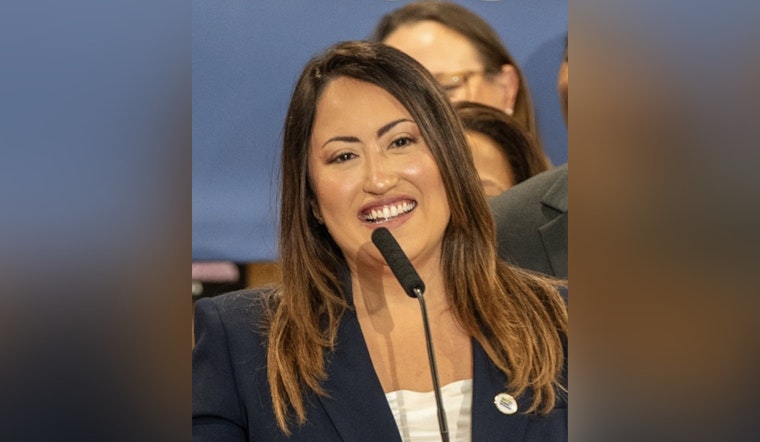
Melissa Aviles‑Ramos, who led New York City public schools through much of the 2024–25 school year, has quietly landed a senior advisory role at HMH, a national curriculum and publishing heavyweight that does brisk business with the Department of Education. The March 2, 2026 hire is turning heads because HMH supplies one of the city’s mandated elementary reading programs, and advocates say the move walks straight into familiar revolving‑door territory, where influence, access and post‑employment ethics rules all collide.
According to the New York Daily News, Aviles‑Ramos accepted an HMH role listed on LinkedIn as a senior strategic adviser, described there as an "executive in residence for innovation and analytics." The Department of Education first announced her selection as chancellor in October 2024, and local coverage along with statements from education groups noted that she left the job at the end of 2025 as City Hall prepared for a leadership transition.
Public spending records show why this particular career jump is drawing extra scrutiny. The city’s transparency portal, Checkbook NYC, lists substantial payments to Houghton Mifflin Harcourt through DOE contracts, with recent reporting putting the total at roughly $28.8 million tied to school materials and services. That is not pocket change, even by New York budget standards, and it helps explain why moves between the DOE and major vendors are viewed as more than just normal résumé updates.
HMH’s flagship elementary reading curriculum, Into Reading, was one of three options rolled out under the city’s NYC Reads initiative, a sweeping literacy overhaul that required districts to pick from an approved list of programs. Coverage by Chalkbeat and other outlets has documented both how widely the HMH curriculum has been adopted and the criticism from teachers and parents over how it has been implemented and what it includes.
What the rules say
New York City’s ethics rules do not end when a top official turns in their badge. A charter amendment extended the “cooling‑off” period to two years for certain agency heads, and there is a lifetime bar on appearing before the city on any specific matter a former official personally handled. These limits were laid out during the Question 3 ethics campaign and summarized in city voter guidance at the time. As the city’s ballot guide explains, the two‑year ban and the lifetime restriction are meant to keep former insiders from cashing in their knowledge in ways that might improperly sway city decisions.
Reaction
Watchdog groups did not need long to weigh in. “It is unlikely Aviles‑Ramos could do work with DOE as a client given her prior role,” Rachael Fauss, a spokeswoman for Reinvent Albany, told the New York Daily News. Her comment echoes years of unease about whether high‑profile hires like this follow the spirit of ethics rules, even when attorneys can argue they follow the letter.
HMH and the DOE connection
HMH markets itself as a full‑service partner to school systems, selling curriculum, assessment tools and professional learning while regularly spotlighting district‑level collaborations in its public materials. One example: the company promoted a session lineup for the ASU+GSV summit that included a conversation featuring the HMH CEO alongside Chancellor Avilés‑Ramos, a reminder of how frequently the publisher and city education leaders share a stage. That kind of public overlap is a big part of why her new role is landing with such a thud among educators and ethics observers.
What comes next bears close watching: whether HMH spells out exactly what Aviles‑Ramos will and will not do in New York, whether any recusals tied to her DOE work are filed, and whether the Conflicts of Interest Board is asked to review the situation or issue formal guidance. How transparent the company and the former chancellor are about the scope of her advisory work will likely determine whether this move is viewed as just another private‑sector gig or as a classic revolving‑door shuffle.





.jpg)