

























































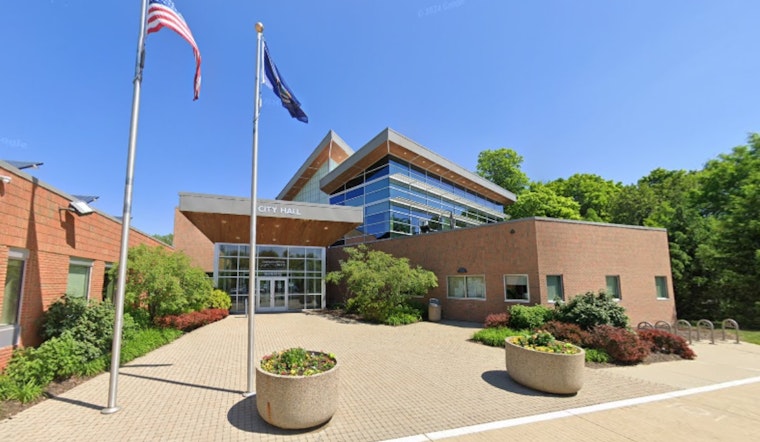
Farmington Hills is gearing up for a full-on glow-up along Grand River, and Mayor Theresa Rich is betting big that residents will want to stick around for it. In her State of the Cities address last Friday, Rich laid out a high-stakes plan to turn key parts of the city into a “vibrant destination,” complete with new restaurants, big-box anchors and major infrastructure upgrades that change how people move through and enjoy the city. The vision is tied to a new five-year strategic plan, a $41 million infrastructure program planned for 2026 and a proposal to replace the Costick Activities Center with a modern intergenerational hub.
New Strategic Plan Will Steer City Decisions
Rich said the city has adopted a fresh strategic plan, its first comprehensive roadmap since 2011, to align departmental work with council priorities and to make development approvals less of a guessing game. According to the City of Farmington Hills, the council has prioritized overhauls to the planning, zoning and building departments so approvals are “fair, fast and predictable.”
Grand River Targeted As A Walkable Dining And Retail Corridor
City officials are treating the Grand River corridor as the first big test of that strategy. The goal is to stitch together walkable blocks, public art and outdoor dining that invite people to linger and, importantly, keep their dollars in the community. Planning materials and market analysis on the Grand River Corridor site point to unmet demand for restaurants and retail in the stretch between Orchard Lake and Inkster, with planners saying the right projects could capture millions in local spending that now slips to neighboring areas.
Big Retail Bets And A Pricey Costick Replacement
Some of that shift is already visible on the ground. Demolition at Hunter's Square is underway, clearing space for a northern gateway overhaul where developers are lining up anchors such as Meijer, Nordstrom Rack and Total Wine. Local reporting has pegged the price tag for replacing the Costick Activities Center at roughly 30 to 35 million dollars, and the new facility is expected to include a full kitchen to preserve Meals on Wheels while adding programming for multiple generations, as reported by MLive.
Infrastructure Dollars And Emergency Preparedness
Rich framed the spending as an all-of-city effort, not just a corridor facelift, tying neighborhood crosswalks, trails and a major roads budget to upgrades in public safety and everyday service delivery. The City of Farmington Hills reports that the city invested 38 million dollars in roads and infrastructure in 2025 and has 41 million dollars planned for 2026, and a state grant funded a new Emergency Operations Center to strengthen disaster response.
Taken together, city leaders say the plan is about channeling recent momentum, from rising office occupancy and steady recreation numbers to new private investment, into a clearer roadmap for what comes next. They acknowledge implementation will take time, but argue the strategy gives Farmington Hills a more predictable path toward adding restaurants, retail and public space that keep activity, and spending, close to home.


