

























































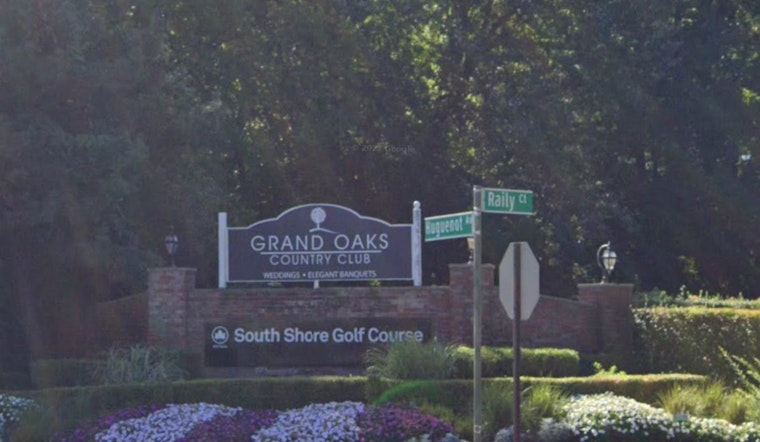
New York Fed President John C. Williams spent Monday working his way across Staten Island, telling local leaders and business owners that the central bank’s current policy stance is “well positioned” to weather even “unusual” economic shocks. His itinerary ran from Borough Hall to the College of Staten Island’s innovation hub to a local manufacturing site, capped by remarks to business leaders at Grand Oaks Country Club. Throughout the day, he cast the Fed’s job as a balancing act between a near-term inflation bump from higher energy prices and the risk of weaker growth if geopolitical tensions intensify.
According to a New York Fed advisory, Williams met with Borough President Vito Fossella, toured the College of Staten Island Innovation Hub and visited Pratt Industries before delivering a 4 p.m. speech at Grand Oaks. The advisory noted that the text of his remarks and a moderated Q&A would be made available at the open event.
In prepared comments, Williams said the “current stance of monetary policy is well positioned to balance risks to maximum employment and price stability” and warned that the war in the Middle East “could result in a large supply shock” that would push up energy prices and weigh on both inflation and overall activity, as reported by Reuters. He told the audience he expects the economy to grow at roughly 2.5% this year, with inflation likely to climb to about 2.75% before drifting back toward the Fed’s 2% goal, while unemployment eases over the coming months.
Fed stance and forecasts
At its March meeting earlier this month, the FOMC left the federal funds target range unchanged at 3.50% to 3.75% and released economic projections that still show a median path featuring a single quarter-point rate cut in 2026, while highlighting uncertainty stemming from recent developments abroad. The Federal Reserve said policymakers would remain “attentive to risks to both sides” of the central bank’s dual mandate as they interpret incoming data.
Local consequences for businesses and households
Williams’ stop at Pratt Industries underscored how energy and input-cost shocks show up on the ground for manufacturers and the trucking firms that move goods across Staten Island. Analysts note that higher energy prices tied to the conflict can push headline inflation higher while squeezing family budgets and small-business margins, a point emphasized in coverage of the March policy meeting by Kiplinger.
Powell’s caution
Federal Reserve Chair Jerome Powell struck a similar, go-slow tone at an event in Cambridge, saying the Fed can “wait and see” how the Iran war develops and how it ultimately affects inflation, according to reporting from Investing.com. That cautious approach has led traders to delay expectations for a quick round of rate cuts and has kept the door open for officials to watch how the next jobs and inflation reports land.
What to watch next
For Staten Islanders, the first real-world indicators to watch are gasoline and utility bills, which will reflect any near-term energy shock. The monthly jobs and inflation reports will also be key in determining whether the Fed sticks with the Summary of Economic Projections outline that shows just one rate cut penciled in for 2026. The Federal Reserve calendar lists the next policy meeting in late April, and officials say they will let incoming data and geopolitical developments guide their decisions.




