

























































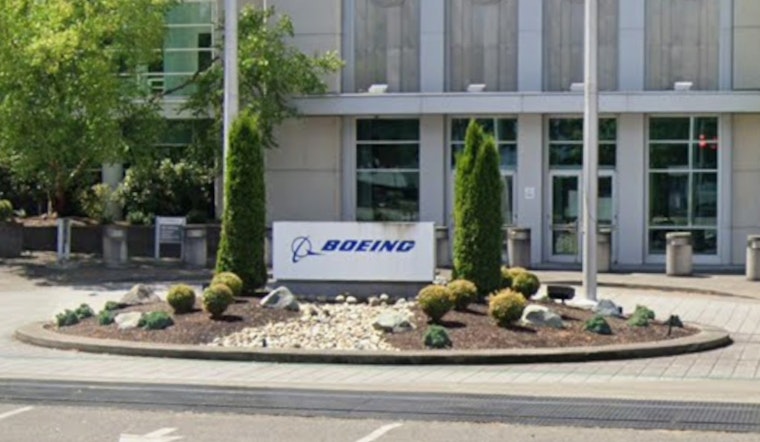
Boeing, the city of Seattle, King County and more than 30 other companies are staring down a sweeping new civil lawsuit that could reshape the long-running cleanup of the Lower Duwamish Waterway. On Wednesday, federal and state lawyers asked a court to hold the defendants responsible for hazardous contamination along the industrial river corridor, forcing them to carry out cleanup work and pay back the government for past response costs under federal and state toxic waste laws.
The lawsuit, first reported by KING5, leans on the Comprehensive Environmental Response, Compensation, and Liability Act and Washington’s Model Toxics Control Act. Plaintiffs are asking the court to order the defendants to carry out the Environmental Protection Agency’s chosen remedy and to issue a declaratory judgment that preserves the government’s ability to recover future costs. It is the latest escalation in a decades-long fight over who pays to clean up one of Seattle’s most heavily industrialized stretches of water.
A long-simmering Superfund cleanup
The Lower Duwamish Waterway, a five-mile industrial stretch running from the south end of Harbor Island into Tukwila, landed on the Environmental Protection Agency’s National Priorities List in 2001, with a final cleanup plan selected in 2014, according to the EPA. Federal and state trustees identified PCBs, arsenic, carcinogenic polycyclic aromatic hydrocarbons, and dioxins and furans as the biggest human health threats at the site.
Technical work by federal and state agencies laid the groundwork for that plan, including a remedial investigation completed in 2010 and a feasibility study finished in 2012. The EPA then issued a Unilateral Administrative Order in July 2024 directing Boeing, the city of Seattle and King County to begin work so the project could move ahead, per the Washington Department of Ecology’s site documents. Ecology’s public records show the July 18, 2024 order, supporting fact sheets and a timeline that put construction under way in November 2024, and those items are listed on the agency’s Lower Duwamish cleanup page.
What the complaint demands
According to KING5, the government is asking the court to require the defendants to carry out the EPA-selected response action, which includes dredging, capping and enhanced natural recovery in targeted areas. The suit also seeks reimbursement for costs already incurred by the United States and Washington state, along with a declaratory judgment that would spell out how future cost recovery claims will be handled and lock in the defendants’ cleanup obligations going forward.
Why Seattle is watching
The Lower Duwamish cuts through South Park, Georgetown and other neighborhoods that have lived with industrial activity, warnings about eating local fish and a long list of environmental justice concerns. That makes the cleanup more than a technical exercise. The EPA’s 2014 plan estimated active sediment cleanup across about 177 acres with a baseline price tag near 342 million dollars, according to the EPA. Investigative reporting by ProPublica has suggested that the ultimate bill and related project costs could climb significantly higher, fueling local fights over who should cover which share.
Next steps and the legal road ahead
The case now moves into federal court, where Boeing, Seattle, King County and the other defendants will get their chance to answer the allegations while the government pushes for court-ordered remedies that could require parties to perform or fund parts of the cleanup. King County legislative records note that the EPA and the Washington Department of Ecology have negotiated consent decree language and multiparty settlements to govern who handles design, construction and long-term monitoring for the remedy. County documents describing that consent decree process and related authorizations were posted in 2025 on the King County legislative site.
Legal implications
The complaint leans on CERCLA and Washington’s Model Toxics Control Act, two statutes that allow the government to recover cleanup costs and compel remediation work, and it calls for declaratory relief that could shape how cost recovery claims play out in the future. The Justice Department has previously relied on a mix of restoration projects and cost recovery settlements to resolve natural resource and Superfund claims in the Duwamish and elsewhere, and this new filing places a united federal and state enforcement team squarely in the center of an already complicated regional bargaining process.
This story will be updated as additional court filings, official statements and schedules are posted. As the litigation unfolds, the timeline for hearings, any settlement talks and the construction schedule for the remedy should come into sharper focus.



