

























































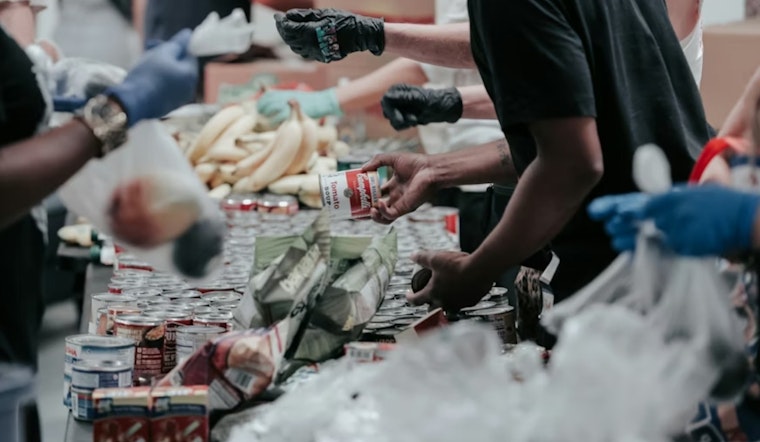
Metro Detroit's biggest food charities are suddenly shelling out millions of dollars to plug a federal food gap, scrambling to keep pantry shelves from going bare after a sharp drop in USDA shipments. Gleaners Community Food Bank and other rescue groups say the cutbacks hit just as local need is staying stubbornly high, forcing them to rework budgets, tap reserves and hustle for more donations just to keep trucks rolling.
According to Crain's Detroit Business, Gleaners received roughly 9.6 million pounds of USDA-sourced food in 2025, down from about 14.7 million pounds the year before. Nonprofits across southeastern Michigan have begun dipping into cash reserves and making large purchases to cover that shortfall, the outlet reports.
Federal Cuts Leave Truckloads Missing
Nationwide, the USDA paused or canceled hundreds of millions of dollars in emergency food purchases this spring, disrupting deliveries food banks had been counting on. Reuters reported that the agency froze roughly $500 million of TEFAP and local purchasing funds, which left planned truckloads of cheese, eggs and meat sitting idle instead of heading to warehouses.
Local Consequences For Households
Gleaners says USDA commodities made up about 27% of its supplies in 2024, and the recent reductions could mean about 25,000 fewer Metro Detroiters get access to its food, Kristin Sokul told CBS Detroit. With fewer federal shipments coming in, there is also less fresh protein and produce in a system that already leans on partnerships to stretch every box and pallet.
How Charities Are Plugging Holes
To cover the missing truckloads, Gleaners has moved into its reserves and stepped up direct food purchases, while other agencies accelerate fundraising, Crain's Detroit Business reports. Smaller rescue organizations and partnerships with distributors, including expanded work between Metro Food Rescue and Sharing Excess at the Detroit Produce Terminal, are helping route fresh produce into local pantries, according to Planet Detroit. But buying food instead of relying on donated or government-purchased commodities is more expensive, which is putting extra strain on budgets and donor pipelines.
What’s Next For Detroit
City leaders and United Way offices have stepped in with emergency coordination and funding in recent months, and the city has organized volunteer drives and distribution sites, the City of Detroit says. Food banks warn the gap could drag on unless federal purchasing is restored or Congress acts, which would leave the safety net heavily dependent on local donations and short-term emergency funds.




