

























































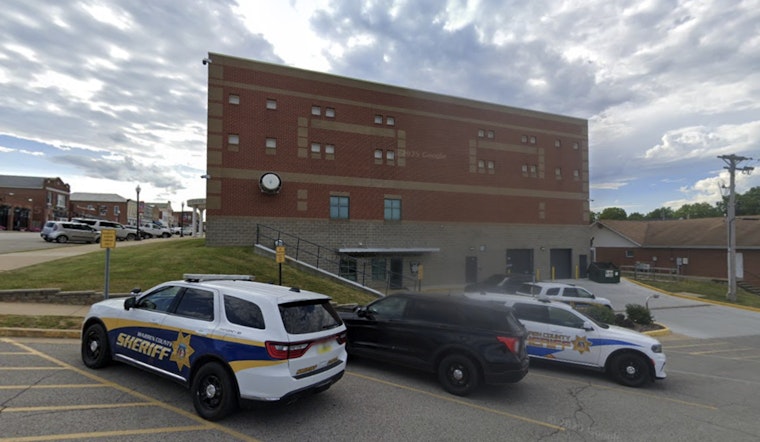
Hundreds of North Carolina law enforcement officers who had been dismissed from earlier jobs were back in uniform across the state as of 2022, an investigation found. The pattern, often called “wandering officers,” shows fired officers resurfacing in small-town police departments, sheriff’s offices, hospital police and campus agencies. Some had been terminated multiple times or were later hit with lawsuits and criminal charges after being rehired, raising fresh questions about background checks and oversight.
As reported by WFAE, the project identified 679 officers working at 327 agencies in 2022 and flagged gaps in state employment records that make tracking them difficult. That tally represents about 2% of the 31,898 active officers listed in the state’s 2022 Department of Justice employment dataset. Advocates say the real number is probably higher, because officers who resign while under investigation are harder to spot in public records.
How big is the problem?
A data review by Carolina Public Press found 679 wandering officers on the payroll at 327 agencies in 2022. Sheriff’s offices accounted for 322 of them and municipal departments 280. More than half, 383 officers, worked in rural counties, while urban counties accounted for just 96, with small departments on tight budgets showing up heavily in the numbers.
Campus and hospital police were also swept up in the trend. Wake Medical Center had six previously dismissed officers and Vidant, now ECU Health, had eight, according to Carolina Public Press. For agencies already stretched thin, the temptation to hire someone who is trained and available can collide with the risk of bringing on a problem officer.
Why smaller agencies are vulnerable
Experts say gaps in state data and shoestring budgets make it easier for officers with troubling histories to slip into smaller departments. The North Carolina Task Force for Racial Equity in Criminal Justice has recommended a publicly accessible statewide record of officer discipline and a requirement that agencies consult such a database before hiring.
National tools like the National Police Index show how cross-agency employment records can highlight repeat offenders who jump from one badge to another. Advocates argue that similar requirements in North Carolina could close the loopholes that let dismissed officers move between agencies with limited scrutiny.
Voices from advocates and attorneys
Keisha James of the National Police Accountability Project told investigators that internal probes often end before a formal firing is entered into the record. In those cases, she said, “what would have been a termination ends up in a resignation.”
Without clear public documentation of misconduct, the investigation found, hiring agencies can struggle to uncover red flags in an applicant’s past. That blind spot, covered in reporting by WFAE, leaves communities relying on incomplete paperwork and good faith.
Legal fallout in Warrenton and beyond
The series also details cases where rehired officers later faced lawsuits or criminal charges. One example is Mark Oakley, who was fired by Warrenton after an SBI probe and later arrested on federal charges accusing him of depriving victims of their rights under color of law. Plaintiffs’ attorney Abraham Rubert-Schewel called the situation “an institutional failure,” saying supervisors and an elected official knew about complaints and did not act, according to Carolina Public Press.
What comes next
Lawmakers, advocates and some law enforcement leaders are pushing for clearer reporting rules, mandatory vetting of lateral hires and dedicated funding for thorough background checks as ways to curb the spread of wandering officers. The Task Force’s recommendations and existing national data tools offer outlines for a statewide accountability system.
Actually putting those ideas into practice, the Task Force report notes, will require legislative changes and money to build and maintain better records. Until then, officers who were once shown the door at one agency can still find another one willing to hand them a new badge.





