

























































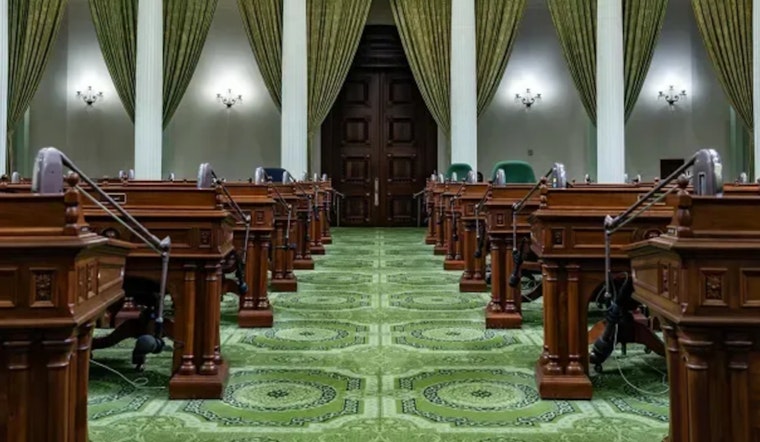
Los Angeles County is staring at a rare political reshuffle: five Assembly districts will be without incumbents this year, and the scramble to fill them is already underway. Stretching across pieces of the Antelope Valley, South Bay, and the Gateway cities, these openings turn the June 2, 2026, primary into a live test of who can raise cash fast, lock in endorsements, and build a ground game before most voters even notice there is an election.
Who’s leaving
The open districts are the 34th, 42nd, 65th, 66th, and 67th, now held on the Assembly roster by Tom Lackey, Jacqui Irwin, Mike Gipson, Al Muratsuchi, and Sharon Quirk‑Silva. As first reported by the Los Angeles Daily News, none of those seats will have an incumbent on the ballot this cycle, a fact also reflected in the Assembly’s official membership list.
Mike Gipson has already signaled he is aiming for the State Board of Equalization. Other exits line up with Sacramento’s calendar and the realities of California’s term‑limit rules, clearing the way for a new batch of hopefuls and the consultants who come with them.
How the primary works and why it matters
California’s statewide primary lands on Tuesday, June 2, 2026, with the Secretary of State setting out the basics: ballots mailed to voters and a May 18 deadline to register for the election. Under the state’s top‑two system created by Proposition 14, the two highest vote‑getters move on to November regardless of party. In safe blue or safe red districts, that structure often produces same‑party runoffs, where political factions fight it out inside the label rather than across party lines.
In a crowded field, that system can slice the vote into tiny pieces and let a well‑organized candidate grab a November slot with a relatively modest share of the primary vote. Translation for campaigns: early name recognition, mailboxes full of glossy flyers, and a turnout plan that actually gets supporters to return ballots can be the difference between making the cut or getting wiped out in June.
Filing, certification, and early lists
Candidate filing in Los Angeles County wrapped up in early March, though county rules allow limited extensions. The regular filing window closed March 6, with a possible extension to March 11 in races where no incumbent files, according to local reporting. The county’s official election calendar adds the next key step: the Secretary of State is scheduled to transmit the certified list of candidates on March 26, the point when ballots and candidate statements begin to lock in.
Preliminary filing summaries and early roundups have already flagged some low‑drama contests, hinting that a few incumbents elsewhere may skate through without serious opposition on paper. Those early lists, however, do not become real until the March 26 certification, when voters and operatives finally see who actually made the ballot.
Why these open seats matter locally
Open seats are political catnip. With no incumbent to scare off challengers, they tend to attract money, endorsements, and outside groups in a hurry. Observers say Los Angeles is likely to see that pattern play out again as unions, labor allies, and business interests chase winnable opportunities in these five districts.
Local coverage tracking the June ballot argues these races are not just about how Sacramento counts its votes. The winners will help determine how Los Angeles County fights for its share of housing, transportation, and public works funding over the next several years. Expect serious outside spending and bruising endorsement battles, especially in districts that cover swingy neighborhoods or booming suburbs where coalitions are still in flux.
What to watch next
Two dates matter most for now: March 26 and June 2, 2026. County officials expect the certified candidate list to be transmitted on March 26, and the statewide primary lands on June 2. The Secretary of State’s office lists May 18 as the last day to register for the June contest.
Between now and certification, keep an eye on final filings, early fundraising reports, and endorsement sheets. Those are usually the first tells of who is running a serious operation and who is just putting their name on the ballot. For voters and reporters, the March 26 candidate list combined with the first wave of campaign finance disclosures will offer the clearest early snapshot of which of these open‑seat battles are about to turn into real political street fights.





