

























































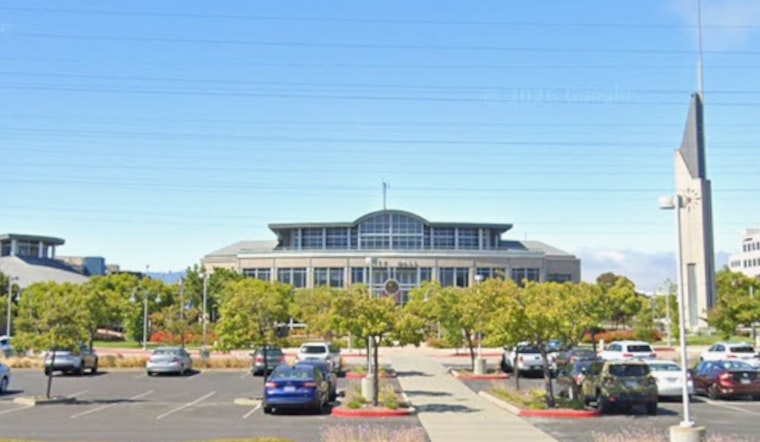
Two years into the 2023 to 2031 RHNA cycle, Foster City has barely left the starting line on its state housing mandate. The city has completed 73 of the 1,896 homes it is required to plan for and has signed off on only 38 new units, leaving Foster City roughly 3 to 4 percent of the way to its state target and prompting some blunt talk at Monday's council meeting.
According to the San Mateo Daily Journal, Foster City has approved just 38 of the 1,896 housing units required under the state's Regional Housing Needs Allocation and has completed 73 units, or nearly 4 percent of the total. The completed homes so far include 11 very-low-income units, 14 low-income units, 11 moderate-income units and 37 above-moderate units. The outlet also reports that only five certificates of occupancy were issued in 2025.
The city's adopted housing element sets the 2023 to 2031 RHNA requirement at 1,896 units, broken into 520 very-low, 299 low, 300 moderate and 777 above-moderate units, a sharp jump from the previous cycle. Per the Foster City housing element, those figures shaped the zoning updates and housing programs the city committed to pursue.
At the council meeting, Councilmember Stacy Jimenez called the sluggish pace mind-boggling and said she wants the city to get more creative about nudging projects forward. Councilmember Phoebe Venkat pointed to Foster City's historically slow approvals as part of the problem, while staff countered that the current delays have more to do with regional financing challenges and a tough market than with the city rejecting projects, the Daily Journal reports.
Regional slowdown and state tools
Foster City's numbers are not an isolated flop. Across the Bay Area, high interest rates, rising construction costs and tighter lending have dragged on new housing production. A San Francisco Chronicle analysis found that most Bay Area cities have permitted only a fraction of their RHNA goals. State lawmakers have tried to grease the wheels with measures such as SB 423, which provides a streamlined ministerial approval track that can move qualifying projects through local review more quickly. The California Department of Housing and Community Development has warned that jurisdictions that fall significantly behind may face enforcement or be subject to additional streamlining tools aimed at jump-starting construction.
What the city could try next
On paper, Foster City already has a toolkit ready to go. Its housing element lists accessory dwelling unit incentives, objective design standards, rezoning and priority processing for affordable developments as levers the city can pull to speed things up, according to the Foster City housing element. Council discussion on Monday leaned toward a mix of incentives and process tweaks designed to make projects financially feasible for developers while still trying to protect existing neighborhood character.
The city also plans to finalize and submit its Annual Progress Report to the state by the standard April 1 deadline, a routine compliance move that state and regional agencies watch closely.
For now, the hardest part remains converting plans, spreadsheets and zoning maps into permits and occupied homes, with a mid-cycle review looming in 2027. Whether Foster City can close the gap will depend on how bold the council is willing to be on reforms and whether market conditions finally swing back in favor of building on the Peninsula.


