

























































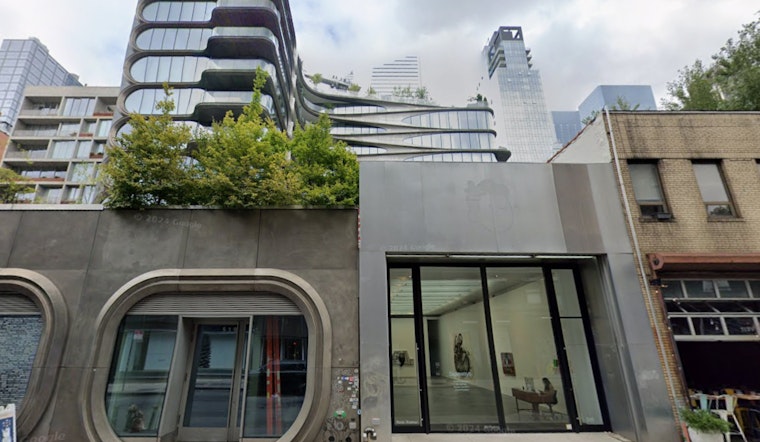
The onetime home of Bungalow 8, the velvet rope magnet that packed in A-listers at 515 W. 27th St. in Chelsea, is being lined up for a very different crowd: luxury residential buyers. A developer is planning to convert the long-vacant, single-story shell into high-end housing, according to recent reporting. The low-slung building, which in later years cycled through gallery and retail uses, now sits empty, and brokers say it is primed for a new life as part of West Chelsea’s steady redevelopment wave.
As reported by Crain's New York Business, the plan on the table would repurpose the former nightclub into luxury residences, with CoStar cited for the listing details. Crain’s did not provide a construction timeline or a unit count, and the report frames the prospective conversion as one more sign that centrally located Chelsea parcels are still catnip for developers.
The address is currently being marketed on commercial real estate platforms as ripe for redevelopment, pitched as a “blank canvas” suitable for a boutique multi-story project, according to an offering on LoopNet. The listing leans hard on the site’s flexible C6-3 zoning and its High Line-adjacent location, both obvious selling points for a high-end residential play. That sales pitch tracks with what brokers are saying about the parcel: a compact but appealing target for small-scale, upscale infill.
The property’s nightlife and gallery credentials are well documented. Bungalow 8 closed in 2009, and the space eventually shifted to art uses, with Ross + Kramer inking a lease in 2020, as reported by Commercial Observer. Public tax and ownership records, available through PropertyShark, lay out the lot’s assessed value and recent listings and help explain why developers might see upside at the address. Those records suggest the parcel is likely worth more as a small residential project than as a single-tenant retail or gallery space.
Why developers are circling Chelsea
Across the city, developers are increasingly chasing conversions and adaptive-reuse projects as they try to meet housing demand and tap available tax incentives, according to a recent report from the New York City Comptroller. Smaller parcels near transit and cultural draws like the High Line are especially attractive for boutique residential buildings. In West Chelsea, that dynamic means even modest lots can attract proposals for luxury infill or vertical additions.
Next steps for the site
For any conversion to move from rumor mill to reality, the owner will have to file formal plans with the Department of Buildings and satisfy local land use rules, including those spelled out in the Special West Chelsea District planning documents. City environmental and zoning materials for the district outline limits on height, bulk and use that developers must work around, and public filings will show whether this project needs variances or other approvals. Once DOB or planning applications land, neighbors and the local community board typically get an early look.
For now, the clearest signals are the active listing and the report in Crain’s identifying a residential conversion plan. Anyone tracking the fate of the old Bungalow 8 shell should watch for Department of Buildings filings and public notices, which will reveal the developer’s schedule and final design. We will keep an eye on public records and any developer statements for updates.





