

























































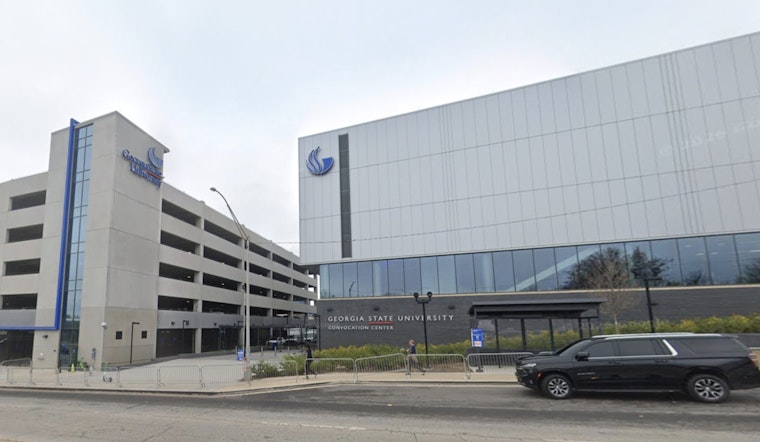
Georgia State University has pulled back the curtain on a five-year athletics plan that aims to overhaul its downtown sports footprint and pump more direct financial support to student-athletes. The strategy pairs new and upgraded practice, training and fan spaces in Summerhill with an explicit push to grow NIL-driven revenue and pack more fans into seats, according to CBS Atlanta.
What the plan covers
The blueprint calls for a steady refresh across Georgia State’s growing Summerhill "athletics neighborhood," tying together Center Parc Credit Union Stadium, the GSU Convocation Center, the 188 MLK soccer complex and the Bobby Jones golf instruction facility. Renderings show full-court practice gyms, expanded sports medicine areas and upgraded strength and conditioning spaces. A new on-campus baseball stadium is already under construction and is slated to open in fall 2026, the university says, per CBS Atlanta.
Summerhill's athletics neighborhood and redevelopment
Georgia State has been slowly building a downtown sports cluster since it took over the old Turner Field site, pitching the collection of venues as serving both student-athletes and nearby residents. Local reporting has described the emerging athletics village as a continuing spark for new restaurants, housing projects and sidewalk traffic in the Summerhill area, according to SaportaReport.
Where the baseball stadium stands
Georgia State Athletics says construction crews began staging equipment at the baseball site after the city signed off on a land-disturbance permit late in 2025, and the project remains scheduled to wrap in fall 2026. The ballpark, planned for roughly 1,000 seats, carries a budget in the mid-teens of millions and will be funded through athletics association and foundation gifts, according to Georgia State Athletics.
NIL push, hiring and the money math
The five-year plan also leans hard into NIL infrastructure. Georgia State says it will bring on a general manager to chase partnerships and other NIL-tied revenue streams, with a goal of topping 3 million dollars in revenue sharing for student-athletes over the life of the plan. Leaders have also set an ambitious target to boost attendance by roughly 50 percent through upgraded game-day experiences, premium seating options and more aggressive student engagement. University President M. Brian Blake said the timing is right to invest in both student-athletes and the surrounding community, according to CBS Atlanta.
How this fits into a national NIL shift
Georgia State’s 3 million dollar revenue-sharing target looks modest next to the broader national settlement framework that has cleared the way for revenue sharing on a much bigger scale at some schools. Under court-approved terms, certain programs could eventually direct around 20 million dollars a year to athletes. That kind of disparity means mid-major programs are likely to lean heavily on corporate sponsorships, booster fundraising and other creative deals to hit their shared-pay goals, as reported by AP News.
What to watch next
In the coming months, watch for Georgia State to fill the new partnerships role, roll out public fundraising campaigns and show visible progress on planned practice facilities. Those will be early tests of whether the university can actually reach its attendance and NIL benchmarks. Local business owners and neighborhood leaders have largely welcomed the extra energy around Summerhill and say the athletics village has already started reshaping foot traffic and development patterns. Coverage of the stadium approvals and the wider neighborhood impact has been detailed by Rough Draft Atlanta.





