

























































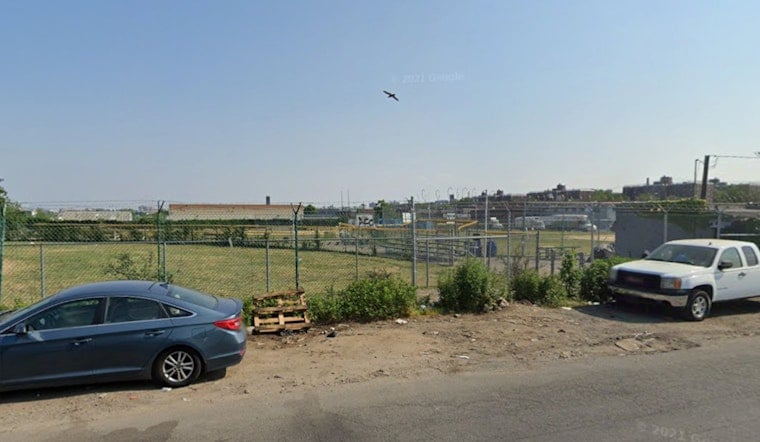
In a 45‑block slice of Greenpoint and East Williamsburg, most building owners are turning down free indoor‑air testing that federal officials say can detect cancer‑linked vapors lurking beneath their properties. Neighbors and elected leaders say the resistance has less to do with the science and more to do with worries about stigma and falling property values, leaving many renters unsure whether the air in their homes is actually safe. The area, known as the Meeker Avenue Plume, landed on the federal Superfund list in 2022.
EPA offering free tests and free fixes
The EPA has been running a winter‑season program of free indoor‑air testing to look for chlorinated volatile organic compounds, including tetrachloroethylene (PCE) and trichloroethylene (TCE). According to EPA, when sampling finds levels of concern, the agency will install sub‑slab depressurization systems, seal foundations and roll out other mitigation at no cost to the people living or working inside. As part of the same investigation, officials have also been expanding groundwater monitoring to better map the underground plume.
Most owners aren't signing up
Officials say they have only managed to test a small share of buildings inside the plume, roughly 200 out of about 1,000 addresses in the 45‑block study area, leaving the effort far short of what public‑health advocates are pushing for. Gothamist reports that City Councilmember Lincoln Restler called the limited participation "unacceptable" and said "too many property owners have decided to keep their head in the sand." Neighbors told reporters that many landlords fear a confirmed contamination would scare off buyers and renters and drag down their investments, a line item no one wants to see in the listing notes.
A long, technical cleanup
State regulators began looking into solvent plumes in north Brooklyn in the mid‑2000s, and the formal Record of Decision lays out more than a decade of sampling and study. The Meeker Avenue Plume Record of Decision from the EPA details the agencies’ authority and sampling history and notes that, in certain situations involving elevated risks to vulnerable occupants, the agency can pursue access under CERCLA. Reporting from Inside Climate News describes earlier rounds of indoor‑air testing and the community advisory group’s ongoing push to reach more residents.
What the science says
PCE and TCE are tied to long‑term health effects, including damage to the kidneys and liver and an increased risk of cancer, according to the Agency for Toxic Substances and Disease Registry. ATSDR and other public‑health agencies have outlined those risks. The EPA also moved quickly to test nearby P.S. 110 and found indoor levels below action thresholds, and the school was cleared after follow‑up monitoring, Brooklyn Paper reported.
What it means for renters
Tenants generally cannot order full building‑wide testing on their own, and advocates say the EPA typically needs the property owner’s consent to carry out comprehensive sub‑slab or basement sampling. That access hurdle, paired with a blazing‑hot local rental market, helps explain why some owners are holding back. Some market trackers show median asking rents for one‑bedroom apartments in parts of Williamsburg and nearby areas in the upper $4,000s, and data from Zumper shows the neighborhood staying expensive.
Next steps
Community groups and the Meeker Avenue Plume Community Advisory Group are still knocking on doors and hosting meetings to persuade owners to sign up for the free testing, and local organizers emphasize that EPA mitigation is available when problems turn up. Greenpointers has been chronicling those meetings and sign‑up drives. Until more owners agree to let inspectors in, many residents say they are stuck weighing sky‑high rents against the uneasier question of what, exactly, might be seeping up from beneath their floors.





