

























































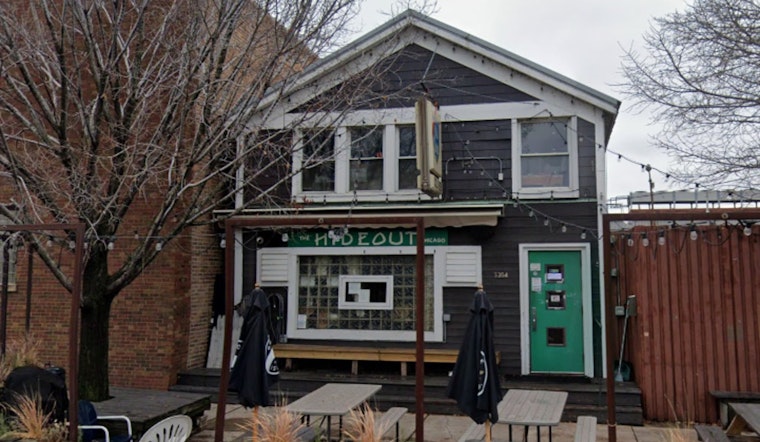
The Hideout, Chicago’s beloved little music room tucked under the Elston viaduct at 1354 W Wabansia Ave, has a new owner. The sale of the snug bar and stage has musicians, regulars, and neighborhood watchers quietly (and not so quietly) wondering what the change might mean for one of the city’s most cherished venues.
For decades, the Hideout has punched well above its size, hosting local and touring acts across roots, punk, and experimental sounds in a space that feels more like a friend’s living room than a club. The sale comes at a time when small, independent venues are feeling heavy pressure, which makes every early move by the new owner feel unusually high-stakes.
Sale Reported By Crain's
The ownership change was first detailed by Crain's Chicago Business, which confirmed the transaction on March 19, 2026. Reporter Mark Guarino framed the transfer as a test of the Hideout’s future, noting that concrete details about what the buyer plans to do with the club were limited at the time of publication.
A Chicago Mainstay For Decades
The Hideout operates out of a narrow balloon-frame building and describes itself as a neighborhood bar and music room with an intimate stage and a homey atmosphere that artists and audiences have long treated as a refuge. The venue’s own site lays out its address, hours, and regular programming for anyone trying to find the tucked-away spot under the viaduct. Hideout Chicago.
Local coverage has repeatedly highlighted the club’s outsized role in nurturing Chicago talent and giving smaller acts a shot in front of enthusiastic crowds. That history is a big part of why an ownership shift feels like a community moment rather than just another bar changing hands. Chicago Magazine.
Why This Matters
Independent rooms across Chicago are operating on razor-thin margins, and the Hideout is far from alone in facing financial and operational strain. Local reporting and a citywide study have painted a sobering picture for small venues, finding that only about one in four Chicago independent stages were actually profitable. At the national level, research from the National Independent Venue Association shows a similarly fragile landscape for grassroots rooms trying to survive rising costs and shifting audience habits. WBEZ and NIVA provide the reporting and data behind that picture.
What To Watch Next
With the paperwork signed, the next phase will play out on the calendar and inside the room. Musicians and regulars are watching to see whether long-running weekly nights stay in place, whether the booking philosophy that made the Hideout feel adventurous is preserved, and whether any physical updates keep the bar’s scruffy charm intact.
The club continues to list upcoming shows on its calendar, and venue roundups still place the Hideout among the small rooms that help define Chicago’s live music ecosystem. For current listings and more context on how the bar fits into the city’s scene, check the venue’s site and local coverage. Hideout Chicago and Eater Chicago.
A Watched Handoff
For now, the Hideout’s small stage is still active, and the bar remains on the nightly circuit for Chicago music fans. Even so, the change in ownership marks a clear turning point for a spot that has been woven into the city’s music life for generations.
In the coming months, the earliest signals from the new owner, any changes to the calendar, and future lease filings will show whether the sale preserves the Hideout’s DIY pulse or nudges the club toward a different future.





