

























































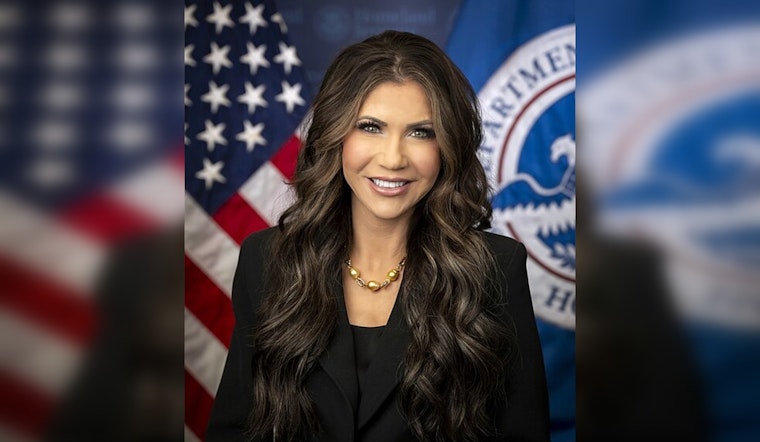
Top congressional Democrats on March 16, 2026, formally asked the Justice Department to review whether Homeland Security Secretary Kristi Noem lied under oath during testimony to lawmakers earlier in the month. Rep. Jamie Raskin and Sen. Dick Durbin say Noem’s March 3–4 appearances included answers that clash with internal agency records and existing media reports, and they want prosecutors to decide if those statements qualify as perjury or knowingly making false statements to Congress.
In a letter to Attorney General Pam Bondi, the ranking members wrote, "A number of her statements appear to violate criminal statutes prohibiting perjury and knowingly making false statements to Congress," and cited 18 U.S.C. §1001 and 18 U.S.C. §1621 as the legal basis for the referral. The letter pulls together specific examples from Noem’s March testimony and asks the DOJ to determine whether her answers "warrant investigation" under those statutes, according to Atlanta Daily World.
What Democrats flagged
The referral zeroes in on at least four areas that Democrats say could merit criminal scrutiny: the $220 million ad campaign that featured Noem and questions surrounding how that contract was awarded; contracting decisions that allegedly favored political allies; Noem’s assertions about detaining U.S. citizens; and apparent discrepancies in her testimony over detainee medical care and the Department of Homeland Security’s compliance with federal court orders. Those lines of inquiry were outlined in reporting on the referral and the March hearings, as detailed by The Daily Beast.
How Noem answered on the Hill
Noem spent two days on March 3 and 4 fielding questions before the Senate and House Judiciary Committees, defending her department’s actions while sparring with Democrats over evidence and congressional oversight. The testimony followed a watchdog’s letter accusing DHS leadership of obstructing the inspector general’s work, a move that heightened lawmakers’ concerns, according to the AP.
Legal stakes
Raskin and Durbin pointed to the federal false-statement statute, 18 U.S.C. §1001, and the perjury statute, 18 U.S.C. §1621, which are commonly used when prosecutors pursue cases involving knowingly false and material statements to the government. The referral also notes that the statute of limitations for perjury and similar false-statement offenses is typically five years, a timeline the lawmakers say keeps Noem’s testimony within prosecutorial reach. The statutory texts are available at 18 U.S.C. §1001 and 18 U.S.C. §1621, with details of the referral reported by Atlanta Daily World.
What comes next
The referral went to Attorney General Pam Bondi, and DHS quickly pushed back. A department spokesperson, quoted in coverage of the dispute, called any claim that Noem committed perjury "categorically false." Prosecutors are under no obligation to open an investigation, and Democrats concede the move may not spur immediate action at the Justice Department under its current leadership. Supporters of the referral argue that, at minimum, it creates an official record that future prosecutors could pick up. The DHS response was noted by The Daily Beast, while broader political fallout and calls for accountability have been tracked by NBC News.
Regardless of whether the Justice Department acts, the referral locks Congress’ concerns into the official record and leaves open potential criminal avenues for any prosecutor who later chooses to pursue them. The move adds another chapter to long-running clashes over DHS spending and enforcement that have followed Noem since she took the helm, according to the AP.





