

























































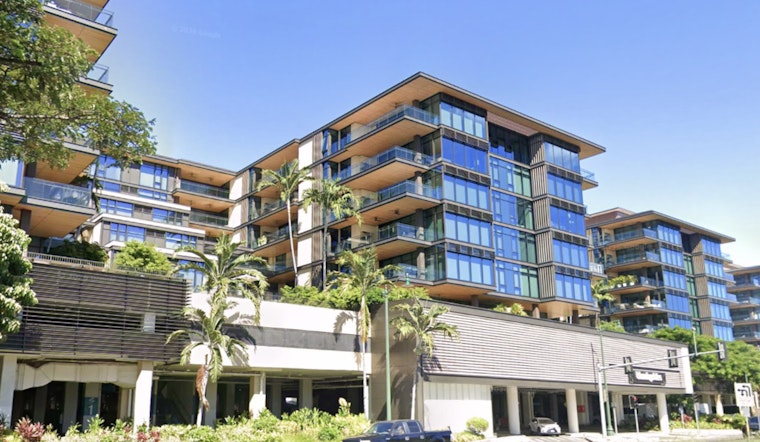
Honolulu is about to start flushing a little smarter.
Kuilei Place, a 1,005-unit project in Mōiliʻili, is set to become what developers say will be Hawaiʻi’s first large residential community to treat and reuse graywater on-site. The timing is not accidental. After a year of unusually low rainfall and slipping aquifer levels, project backers argue the system could shave off a meaningful slice of daily demand for drinking water. If the setup performs as advertised, it could become a practical template for other island developments facing tight water supplies.
Developer numbers and approvals
The developer behind Kuilei Place says the on-site system will capture water from sinks, showers and laundry, treat it, and send it back out for toilet flushing and irrigation. That approach is expected to conserve roughly 11 million gallons of potable water per year and bring down utility bills for residents, according to Kuilei Place. The mixed-use project required coordination with the Honolulu Board of Water Supply, the City and County Department of Environmental Services and the Hawaiʻi Department of Health before it got a green light. Scheduled for completion in 2027, the development plans to deliver more than 1,000 homes.
System size and expected savings
Epic Cleantec, the design firm building the treatment system, says the facility will rely on a four-stage biological process and can process up to 30,000 gallons per day. The company pegs annual recycling at about 9.86 million gallons and estimates roughly $133,000 in yearly utility savings for the project, according to Epic Cleantec. Epic’s project description adds that the recycled water will serve toilet flushing and landscape irrigation and that the system includes monitoring, UV disinfection and fail-safe diverter valves to meet state safety requirements. The slightly different annual figures from the developer and Epic reflect how projected reuse can swing with occupancy and daily water-use patterns rather than any disagreement about how the technology works.
Why now: a dry year and strained aquifers
Recent climate analysis in Hawaiʻi has turned this sort of project from nice-to-have into urgent homework. The University of Hawaiʻi reports that 2025 was the state’s second-driest year in more than a century, with average statewide rainfall at about 42 inches and roughly 65 percent of the islands categorized as abnormally dry or worse, according to the University of Hawaiʻi. That prolonged dry spell pushed many local water sources to the edge and prodded regulators and planners to look harder at options that cut demand right at the building scale. Reuse systems like Kuilei’s will not replace watershed restoration or major infrastructure upgrades, but they can reduce daily pumping from aquifers that take time to recharge.
San Francisco’s blueprint and a high-rise test case
On the mainland, San Francisco has already road-tested this strategy and then written it into law, requiring on-site water reuse for many large new developments and proving the concept at city scale. The city’s reuse rules are outlined by the San Francisco Public Utilities Commission, and Salesforce reports that the system in its namesake tower saves about 30,000 gallons per workday, or around 7.8 million gallons per year, offering a high-rise proof of concept, according to Salesforce. Together, those examples show how reuse can be both operationally workable and a modest buffer when drought hits.
Local partners and safety checks
Closer to home, local contractors and regulators have been key to getting Kuilei’s system off the drawing board. Installers and the developer have worked with public-health staff and city permitting agencies to satisfy strict performance and reporting standards, and Commercial Plumbing’s president has highlighted the resource upside. “The more we recycle water, the more we can give our aquifers a chance to replenish,” Randy Hiraki told Hawaii Business. Epic’s technical materials also describe real-time monitoring and monthly reporting as required safeguards, which regulators plan to scrutinize during commissioning.
What this means for the islands
The implications stretch beyond Honolulu’s city limits. On Maui, water shortages have already led to canceled events and stressed farms, and the PGA Tour’s Sentry at Kapalua was called off after irrigation limits left the course unplayable, a hit that local reporting put at about $50 million in yearly economic activity, according to Hawaii News Now. Those kinds of disruptions have nudged private landowners, county officials and state agencies into faster, sometimes tense conversations about reuse, desalination and storage.
Kuilei Place’s system will be one of the projects everyone watches. Developers and regulators say its real-world performance, cost numbers and public-health oversight could shape whether similar systems become common tools in Hawaiʻi’s long-range water planning, easing pressure on slowly recharging aquifers while buying time for bigger infrastructure fixes. For now, industry players and public officials alike say they will be paying close attention to the monitoring data once the system comes online.





