

























































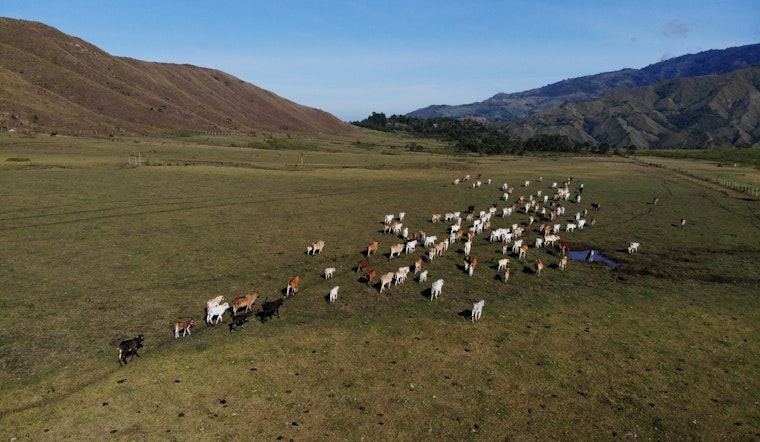
On the 4,000‑acre Sneary Ranch in Matagorda County, the pasture is a bright green outlier in a neighborhood of drought‑stressed grass. Ranchers Loy and Adam Sneary credit a decade of adaptive high‑stock density grazing for the difference, saying it has helped transform tight, heavy clay into looser, more sponge‑like soil that hangs on to moisture, keeps cows on feed and gets calves through the dry years.
A recent field day at the ranch, along with reporting by the Houston Chronicle, walked through both the grazing playbook and the bottom line. The Chronicle noted that ranchers using this approach can see profits of up to $700 per animal and strong pregnancy rates, a combination that matters when markets are tight. The paper also highlighted how Grassroots Carbon converts improved soil health into carbon credits that generate payments to ranchers, a price signal that helped pull colleagues and curious producers to the Snearys’ event.
How Adaptive Grazing Works
The basic concept is straightforward: move cattle frequently through small paddocks so plants get real rest, then come back strong. Concentrated herds leave behind manure and hoof action that help recycle nutrients into the soil. Ranchers lean on portable electric fencing and planning tools like PastureMap to track rotations, rest periods and pasture performance. That level of planning shortens recovery times and keeps forage productive, even when the weather turns stingy.
Soil Tests And Water Storage
At the Snearys’ field day, soil scientist Dr. Allen Williams used a simple shovel test to compare regeneratively grazed paddocks with more conventionally managed ground, pointing to better soil aggregation and thicker root systems in the managed areas. His slides, shared with attendees and later described by the Houston Chronicle, showed an additional two inches of aggregate soil depth after year one, 6.2 inches by year three and nearly 15 inches by year four. Williams said that just two extra inches of captured rainfall per acre would translate into roughly 54 million gallons of water storage per 1,000 acres.
Money, Markets And Policy
The current market backdrop makes those numbers hard to ignore. The U.S. city‑average price for 100% ground beef reached about $6.75 per pound in January 2026, roughly a 22% jump from a year earlier, according to the Federal Reserve Bank of St. Louis. At the same time, big money is lining up behind practices that boost soil health. McDonald’s has pledged more than $200 million to a national grasslands initiative, and the USDA’s Natural Resources Conservation Service has rolled out a $700 million Regenerative Pilot Program intended to streamline funding for whole‑farm conservation projects.
Private buyers and intermediaries are also cutting checks for documented soil gains. San Antonio‑based Grassroots Carbon says it has distributed tens of millions of dollars in payments, and it lists Microsoft, Nestlé and Chevron among its corporate customers.
Is It Scalable?
Switching up grazing routines that have been in place for generations is no small lift. Moving herds daily or weekly means more time on horseback or on a four‑wheeler, more portable fencing and a willingness to learn a new management rhythm. For ranchers who have tried it, though, the mix of tougher forage in dry spells, higher calf survival and added carbon revenue can make regenerative grazing feel like a practical hedge against drought, and the stream of corporate and federal dollars could help more producers give it a shot.





