

























































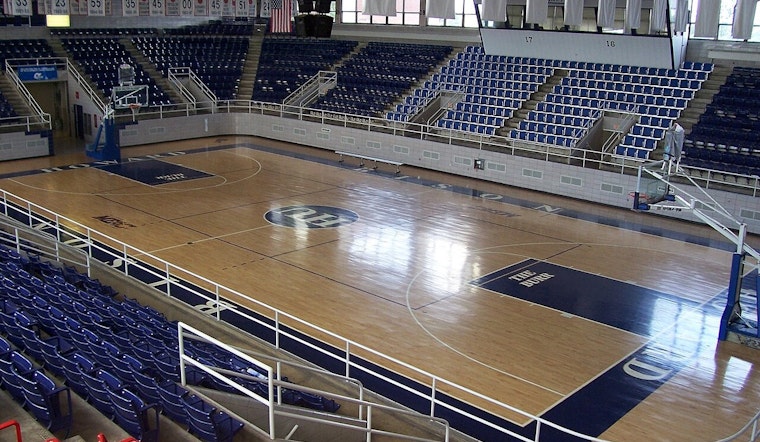
Howard University has told its student-athletes they now have two options during the national anthem: stand on the court or field, or stay in the locker room. The new directive means the women’s basketball team will skip pregame ceremonies for the rest of the season, after players knelt before a Dec. 29 game against the United States Military Academy, a move athletic leaders say created sensitive optics. Players and coaches say the shift came out of internal talks that tried to walk a tightrope between student protest and department stability.
According to The Hilltop, women’s basketball associate head coach Brian Davis confirmed the athletics department put the game day protocol in place and presented it as a department wide expectation after what he called thoughtful internal conversations. Davis said the program has been kneeling since 2020 and that players were aware of the added sensitivity that comes with facing Army, stressing that the gesture was not meant as disrespect. He added that, under the new guidance, the women’s team will stay in the locker room during the anthem for all remaining games, home and away.
What athletics leaders say
As reported by HBCU Gameday, Vice President of Athletics Kery Davis framed the policy as an attempt to support students’ freedom of expression while also insisting on mutual respect for all communities. Administrators told teams the approach is meant to head off incidents that could ripple into program funding or broader operations across the department, a not so subtle reminder that protest and resources are now linked in very public ways.
Players push back
Junior goalkeeper Ireal Wyze-Daly told The Hilltop that he does not personally stand for the anthem and said athletes were warned that individual protests could bring consequences for the entire athletics department. "Personally, I don’t stand for the national anthem," Wyze-Daly said, explaining that he was not willing to jeopardize funding and support for more than 500 student-athletes. The men’s soccer team ultimately voted to stand during the anthem, while some players across programs say they remain unhappy with the new line the university has drawn.
What the team will do now
HBCU Gameday reports that the women’s basketball team will stick with the locker room option for the rest of the season, a choice coaches describe as an attempt to avoid more sideline controversy while they search for other ways to push for change inside the rules. Brian Davis said the program still plans to back social justice causes but is now exploring avenues that stay within the department’s updated protocol.
Context and history
Protest is hardly new at Howard. The women’s basketball team began kneeling in 2020 as part of a broader response to racial injustice, and Howard cheerleaders drew national coverage in 2016 when they took a knee during the anthem, an action covered by ESPN. That history has turned Howard into a frequent flashpoint whenever athlete demonstrations flare up, and the new anthem protocol now sets the school’s protest tradition against leadership’s concern about optics, donors, and institutional resources.
Legal outlook
Howard is a private, federally chartered institution, which gives it more room than a public university would have to set expectations for team conduct. Howard University describes itself as a private research university in Washington, D.C., a status that generally allows the athletics department to create internal protocols for game presentation. Public colleges, by contrast, run straight into First Amendment limits when they discipline student speech, a legal wrinkle that has surfaced in past anthem fights covered by Inside Higher Ed.
For now, Howard’s athletics leaders say they want to keep backing students while steering them toward quieter advocacy. On a campus with a long protest legacy, the new anthem rules are unlikely to be the final word, and programs across the HBCU landscape are watching closely as Howard tries to balance activism with the realities of money and management.





