

























































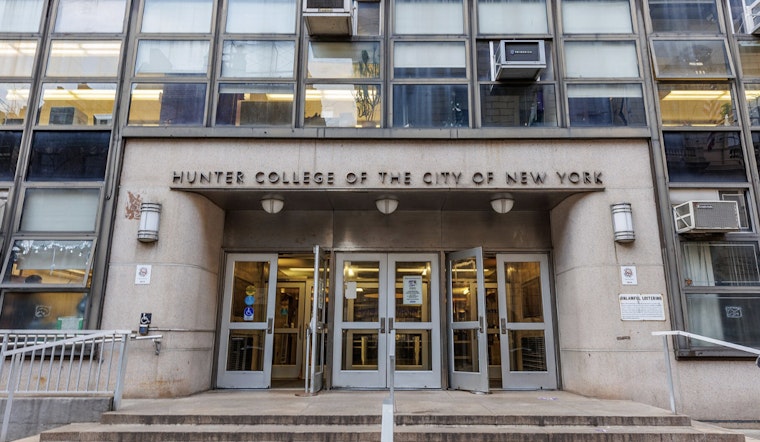
CUNY is hauling career prep out of the back office and dropping it straight into the classroom, rolling out a systemwide plan that plants career advisers, employer specialists and paid work experiences inside actual degree programs. The early test bed is Hunter College's human biology program, a 200-student cohort that has already connected more than 120 students to jobs and internships and sparked interest from more than 600 additional students. Administrators say the goal is to build workplace skills directly into course design instead of treating them as a last-minute extra for seniors.
Chancellor Félix V. Matos Rodríguez has framed the initiative, called CUNY Beyond, as a five-year roadmap to weave career connections into every undergraduate degree and to start those conversations as early as high school or freshman orientation, according to CUNY. The plan sets system-level targets that include tripling the number of students in paid internships and boosting employer recruitment from CUNY, with an eye toward reaching tens of thousands of students every year. University officials say the model is built so employer-facing skills and real-world placements sit inside degree maps, letting students graduate with both credentials and on-the-job experience.
Hunter's human biology program was tapped as an early pilot and received city funding through the CUNY Inclusive Economy Initiative. The program has two dedicated staff members whose job is to align coursework with placements, as reported by the New York Daily News. The paper notes that the 200-student cohort has been connected to more than 120 internships or jobs, and administrators say more than 600 other students have already raised their hands to join similar efforts. Campus leaders add that assigning staff and industry specialists helps faculty tweak assignments so students practice the specific skills employers are asking for.
Inside the Pilot
Instead of sending students off to a separate career office, the pilot drops an integrated academic and career adviser directly into academic programs, adds industry specialists who keep tabs on employer needs, and threads paid internships and apprenticeships into degree timelines, according to CUNY Beyond. Faculty are being nudged to spell out career competencies in their syllabi and to design assignments that use the same tools employers rely on, so students get hands-on practice while they earn credit. Administrators say the approach is aimed at closing equity gaps by making paid work and employer relationships a standard feature of college life for first-generation and low-income students who might otherwise miss out.
Scale And Stakes
CUNY projects that the rollout will touch hundreds of thousands of students over the next five years and estimates the effort could translate into billions of dollars in lifetime earnings for graduates, figures that were highlighted in coverage of the chancellor's address. Philanthropic partners including Robin Hood and the Carroll & Milton Petrie Foundation have put up seed funding to get the work off the ground, according to university materials and local reporting. The initiative's launch and funding commitments were covered by outlets such as Spectrum News and CSI Today.
What Students Stand To Gain
Employers working with the Hunter pilot told reporters that many students were not fully tapping into workplace software, which pushed classes to more explicitly build in Microsoft Office and other tools so students pick up those skills while they earn credit. Supporters argue that folding paid placements and tighter employer ties into degree programs raises the odds that a student crosses the stage with a job offer in hand or at least a clear pathway into a career, a point backed up by early placement numbers in the Hunter cohort, as reported by the New York Daily News. Advocates caution that real success will hinge on keeping staffing levels up and securing substantial employer commitments as the model expands beyond the first campuses.
For students juggling paychecks and problem sets, the university says the promise is straightforward: fewer unpaid internships, clearer routes into the workforce, and coursework that does double duty by teaching the subject and building job skills at the same time. Campuses will track placement rates and other student outcomes as CUNY moves from pilot phase to a systemwide rollout this year.





