

























































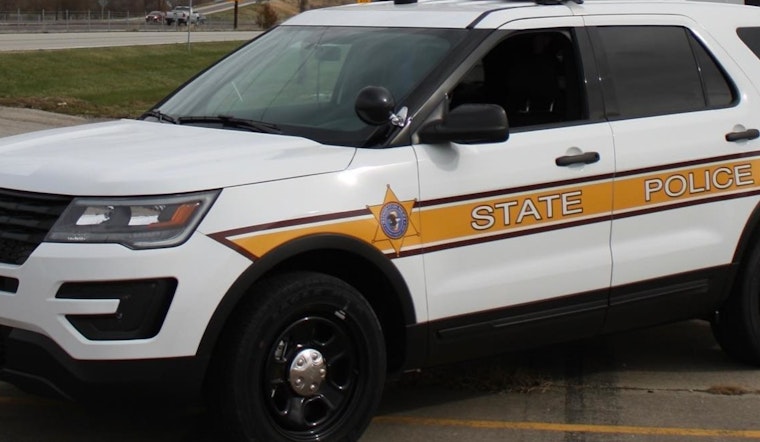
Illinois emergency dispatch has officially stepped into the smartphone era. On March 30, 2026, the Illinois State Police announced that all 169 public safety answering points across the state are now running on Next Generation 9-1-1. The upgrade replaces old-school, voice-only phone trunks with an internet-protocol system that can carry text, photos, video and more detailed location data to dispatchers. Officials are pitching the move as a major boost for routing, caller location accuracy and resiliency at 911 centers statewide.
What the Upgrades Actually Do
Next Generation 9-1-1 shifts emergency call handling onto a standards-based, IP-centric network so dispatchers can work with voice, text, photos and video instead of just audio. The NG9-1-1 setup includes an Emergency Services IP network, or ESInet, and NENA i3 core services that route calls using precise geolocation, validate location data and support multimedia and computer-aided dispatch integration, according to the Illinois State Police. The same architecture supports hosted call-taking solutions and multiple, redundant operations centers that are intended to keep 911 traffic moving even if part of the network is hit by an outage.
How the Statewide Rollout Unfolded
The modernization push began in 2022 with vendor transitions that picked up speed through 2023. AT&T completed 46 PSAP migrations in 2023, and 65 more were targeted for 2024, according to the Advisory Board. That report also described work to build network-to-network interfaces with three regional NG9-1-1 systems and noted that the City of Chicago was procuring its own network. The Illinois State Police later confirmed the final milestone, that all 169 public safety answering points are now operating on the statewide NG9-1-1 network, in a post on the agency's Illinois State Police Facebook page.
Why It Matters for Callers and Responders
For people dialing 911, the new system means help is not limited to spoken words. Where local centers have enabled the features, text, photos or video can be sent to dispatchers, and higher-quality GIS data helps steer responders to the right spot with less guesswork. Esri has documented how better mapping and standardized address data cut routing errors and speed up response times. The Illinois State Police has also pressed PSAPs to turn on text-to-911 and other multimedia handling capabilities as part of the NG9-1-1 transition, according to Illinois State Police planning materials.
Funding, Oversight and What Comes Next
The Advisory Board reserved millions of dollars in consolidation and NG9-1-1 expense grants to help counties replace call-taking consoles and logging recorders and to update GIS data, as laid out in the 2024 annual report. That same report noted the state was reviewing how surcharges are distributed and working on new administrative rules after the Emergency Telephone System Act expired in December 2025. Officials say the next phase will focus on keeping the upgraded system running, training telecommunicators to handle multimedia calls and formalizing technical interfaces with Chicago's separate network.
For residents, the basics do not change. To request help, call 911 for an emergency. Where text-to-911 is available, local dispatch centers will advertise it. People who depend on messaging should check with their local PSAP to confirm what text and multimedia options are supported, since availability and procedures can still differ from one jurisdiction to another.





