

























































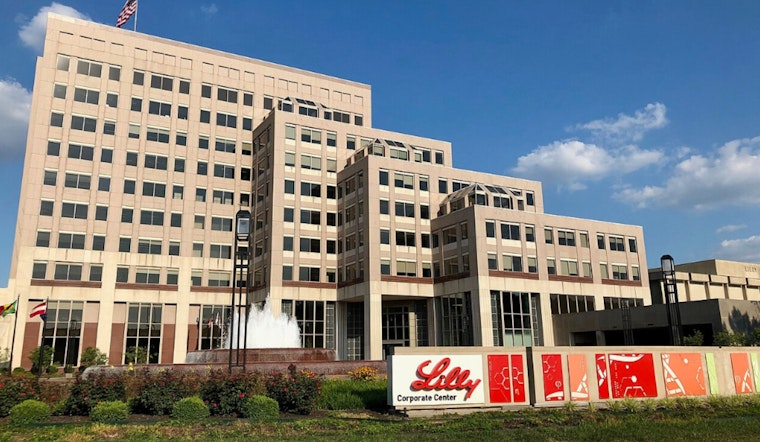
Indianapolis drugmaker Eli Lilly is asking the U.S. Supreme Court to rein in the False Claims Act’s powerful whistleblower provisions, arguing that a Civil War era law has turned private citizens into unaccountable enforcers of federal fraud cases. The high court petition stems from a long and costly fight over how Lilly reported drug prices to Medicaid, a battle that ended with a trebled judgment against the company.
What Lilly Wants From The Justices
In its new filings, Lilly argues that the False Claims Act’s qui tam setup lets profit-driven private relators press federal enforcement actions without the kind of presidential oversight the Constitution envisions. The company is also taking aim at a fee shifting rule that can stick defendants with a relator’s legal bills, even when the government has not taken over the case. The company’s constitutional arguments and fee shifting challenge are laid out in reporting from Reuters.
Background: The Streck Showdown
The case that brought Lilly to this point began back in 2014, when relator Ronald Streck sued under the False Claims Act. Streck alleged that Lilly misreported its Average Manufacturer Price for Medicaid rebate purposes. A federal jury in August 2022 sided with Streck and awarded roughly $61 million in damages. Under the False Claims Act’s trebling provision, that number jumped to about $183 million. The Seventh Circuit later upheld core findings on falsity, materiality and scienter, and the lengthy history of the case is recounted in the lower court decisions and appellate rulings collected with Lilly’s Supreme Court materials. Those decisions are available through the U.S. Supreme Court.
Lilly’s Constitutional Gamble
When Lilly first asked for more time to prepare its formal petition, it framed the issue as a clean constitutional question about who is allowed to enforce federal law. In that extension request, the company asked whether “private bounty hunters, accountable to no one but themselves, [may] enforce federal law on behalf of and in the name of the United States,” language Lilly used to argue that the Supreme Court should step in. That framing comes directly from the company’s own application filed with the U.S. Supreme Court.
Why The Stakes Reach Far Beyond Lilly
Lilly’s challenge is not just about one pharma verdict. The Justice Department has told Congress and the public that False Claims Act cases brought in fiscal 2025 returned a record $6.8 billion in settlements and judgments to taxpayers, with qui tam suits supplying a major piece of that total recovery. If the Supreme Court cuts back the qui tam mechanism or alters fee shifting rules, it could dramatically reset incentives for whistleblowers and affect how aggressively federal and state governments try to claw back money they say was obtained through fraud. Those recovery numbers are detailed by the U.S. Department of Justice.
Relator’s Lawyers Say Verdict Worked As Intended
Streck’s legal team, which kept pursuing the case after the federal government declined to intervene, says the jury’s decision sent money back to Medicaid and showed exactly why relators matter in policing fraud against public programs. The firm has highlighted the $61 million jury award, the trebling that pushed the total judgment above $183 million and its work on appeal in public summaries describing the outcome. Those case highlights are posted by WMHW Law.
Business Groups Line Up Against Broad FCA Reach
On the other side of the policy debate, business and advocacy groups that have long criticized the False Claims Act say the qui tam structure invites overreaching private prosecutions and creates regulatory uncertainty for companies that deal with federal programs. Several of those organizations have urged courts to narrow the statute. The Washington Legal Foundation, among others, has been active in related appeals and amicus efforts pressing that view, including a push for rehearing in a separate Seventh Circuit False Claims Act case. That position is outlined by the Washington Legal Foundation.
What Happens Next At The High Court
The Supreme Court’s docket shows that Justice Amy Coney Barrett has already given Lilly more breathing room, granting an extension until March 21, 2026, for the company to file any certiorari petition. That timeline gives Lilly additional space to refine and present its constitutional challenge before asking the justices to take the case. If the court ultimately agrees to hear it, the ruling could reshape how whistleblower suits move forward and how state and federal governments recover money they claim was lost to fraud.





