

























































Americans did not panic about prices in February. Households in the New York Fed's closely watched survey kept their inflation outlook comparatively steady, with the median one-year expectation hovering near 3% and the typical three- and five-year views also stuck around 3%. Because the responses were collected through late February, though, the data come from before the sharp run-up in oil prices tied to the war in Iran and may not reflect how people feel now. The same report showed a split-screen picture, with households feeling somewhat better about their own finances even as they grew a bit more wary about job hunting and credit access.
According to the Federal Reserve Bank of New York, the February Survey of Consumer Expectations found that median one-year inflation expectations slipped 0.1 percentage point to 3.0%, while three- and five-year expectations held at 3.0%. The release also noted that inflation uncertainty eased at every time horizon, a sign that people feel a bit more sure about where prices are headed. At the same time, median year-ahead gas price expectations ticked up to about 4.1%.
Survey Predates Energy Shock
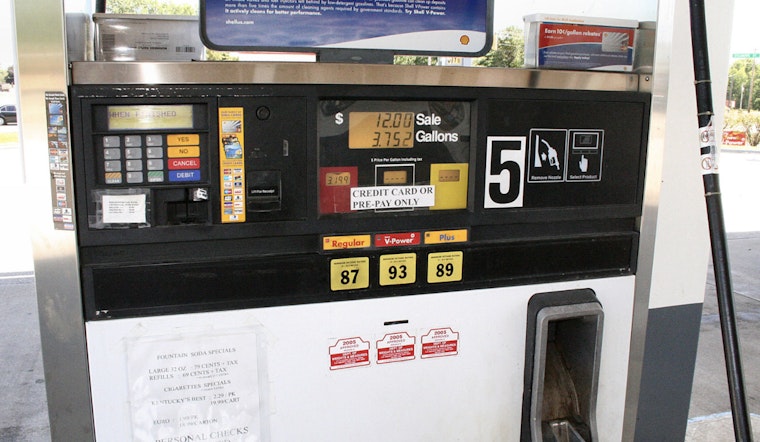
The timing of the survey matters. Because the SCE was fielded from Feb. 2 to Feb. 28, it missed the public’s reaction to the jump in oil prices after hostilities intensified, as reported by Reuters. Deutsche Bank economists told Reuters that strong U.S. oil production could cushion some of the blow from any global price spike, but they also warned that inflation has been too high for too long, so any renewed rise in expectations would make the Federal Reserve's disinflation effort that much tougher.
Labor And Credit Measures Shifted
Under the hood, the February survey painted a nuanced picture of the job market and credit conditions. According to the New York Fed, the mean perceived probability of losing one's job fell to 13.8%, and mean unemployment expectations dropped to 39.9%. Yet respondents also said that finding new work would be harder than they had expected at the start of the year, suggesting confidence about current jobs but more anxiety about switching or searching.
The same survey found that perceptions of credit access were slightly worse in February compared with January. Even so, households were more upbeat about how easy it might be to get credit in the future and reported feeling better about their current financial situations, a combination that hints at cautious optimism rather than outright stress.
Why Investors And Policymakers Are Watching
Those inflation expectations clustered around 3% may look calm, but they are still comfortably above the Fed's 2% target. That gap matters. If expectations move higher, it could keep policymakers wary about cutting interest rates too quickly. As Reuters notes, a persistent climb in inflation expectations would complicate the central bank's disinflation task, and markets are primed to scrutinize upcoming consumer sentiment and price data for any signs that the energy shock is seeping into household views.
For now, the February SCE offers a snapshot of relatively calm short-term inflation expectations even as geopolitical tensions and energy risks build in the background. Economists and traders will be following oil prices, the next round of inflation reports and the upcoming SCE release for any evidence that the public is starting to reprice the future path of inflation.





