

























































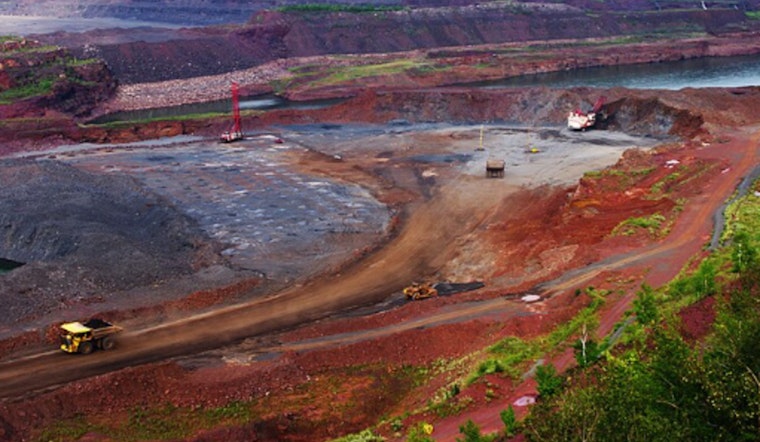
After more than two decades of stalled plans and half-built dreams, the Iron Range is finally staring at a potential breakthrough this summer. Mesabi Metallics' long-delayed Nashwauk project is expected to start pellet production, which would mark Minnesota's first new iron-ore mine in roughly 50 years and bring hundreds of family-sustaining jobs. Yet local officials, union halls, and small-town businesses say the turnaround is far from guaranteed, with congressional dealmaking, weak auto demand, and idled taconite plants keeping the region's future on edge.
The Nashwauk project represents roughly a $2.4 billion investment and is projected to employ nearly 350 full-time workers once production begins this summer, according to Star Tribune reporting. Company leaders and contractors have been racing to wrap up construction, while towns across the western Range look to finally see some payoff after years of delayed projects and long construction lulls.
Congressional Maneuvers Complicate Permitting
In Washington, the political fight over where mining should happen is adding fresh uncertainty. Republican lawmakers attempted to wipe out a Biden-era mineral withdrawal that protects more than 225,000 acres of the Superior National Forest by tucking language into a federal spending package. The Senate parliamentarian later removed that language, according to MinnPost.
In January, the House approved a Congressional Review Act resolution, H.J. Res. 140, to repeal the withdrawal and sent the measure to the Senate for consideration, according to LegiScan. That vote kept hopes alive among some mining advocates, but it also ensured that any final decision would be shaped as much by procedural trench warfare as by local economic arguments.
Downturn Slams Local Workforce
On the ground, the region is already feeling the sting of a broader industry slowdown. Less than an hour from Ely, Cleveland-Cliffs idled its Minorca and Hibbing taconite facilities last year, sidelining roughly 600 union miners and prompting state lawmakers to weigh extra unemployment support, according to Session Daily. Company filings describe the shutdowns as temporary and tie the pullback in pellet and steel production to weakened automotive demand.
Local businesses and union leaders say those layoffs have made the timing of any new investment even more critical. Families that have already been riding out one downturn are now watching the Nashwauk project and the policy fights around it with a mix of hope and anxiety.
Local Leaders Weigh Jobs Against Water Risks
"We’re never going to be like St. Cloud or the metro," Ida Rukavina, commissioner of the Iron Range Resources and Rehabilitation Board, told reporters as she laid out the region's need for steady, well-paying work, as quoted in the Star Tribune. The IRRRB, created during the Depression to help the Range weather hard mining cycles, now focuses on jobs, housing, and community development, according to the agency's own descriptions. It generally steers clear of taking formal positions on specific mine proposals.
That leaves city councils, county boards, and business owners to wrestle with the tradeoffs. Nearby towns say they are weighing the lure of high-wage mine work against the economic value of recreation and tourism, which depend heavily on clean lakes, rivers, and a reputation for healthy waters.
What Comes Next
Twin Metals has already poured hundreds of millions of dollars into a separate copper-nickel proposal near the Rainy River watershed, spending more than a decade on pre-permitting work. Agency comment records show pre-permitting investments topping $550 million, according to public Bureau of Land Management materials. The lesson on the Range is clear enough: even deep pockets do not guarantee a quick path from prospect to production.
Even if Congress ultimately alters the current mineral withdrawal, any company would still face lengthy federal environmental reviews, state permitting processes, and likely courtroom challenges. On top of that, market conditions for steel and autos add another layer of risk as projects try to move from study to shovel.
Legal Angle
The Congressional Review Act is a blunt procedural instrument. A successful CRA vote would wipe out the mineral withdrawal and prevent agencies from issuing a future rule that is considered "substantially similar," a constraint that has helped shape recent budget-bill battles and the Senate parliamentarian's review, according to House Majority Leader materials.
For the Iron Range, that means even a political win in Washington would not instantly greenlight new mines. It would mostly reset the legal landscape and trigger yet another round of agency work and court fights, even as workers, families, and small businesses wait to see whether this long-promised boom actually arrives.



