

























































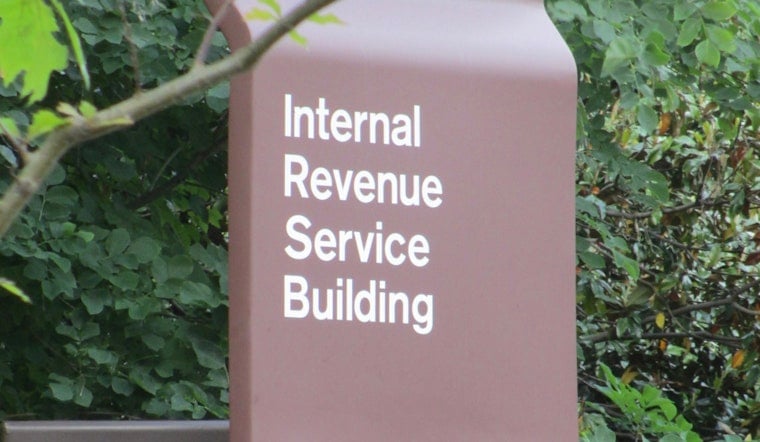
The IRS is hitting the pause button on some tax refunds this filing season, and one small code is making a big difference. If you get a letter labeled CP53E, the clock starts ticking. You generally have 30 days to log in to your IRS online account and add or fix your direct deposit information. With the agency shifting away from paper refund checks, a missing or rejected bank deposit can turn a normal wait of a few weeks into a months-long slog.
Why some refunds are on hold
This all traces back to Executive Order 14247, which directs federal agencies to move away from paper payments and sets a September 30, 2025 phaseout deadline, according to the Federal Register. Treasury’s Bureau of the Fiscal Service and other agencies began phasing out printed refund checks last year, making electronic deposits the default for most payments. For Treasury’s guidance on that shift, see the Bureau of the Fiscal Service.
What a CP53E notice requires
A CP53E notice means the IRS tried to send your refund by direct deposit and it did not go through. The letter typically gives you 30 days to add or update your bank account information through your IRS online account, and IRS employees are not allowed to change those details over the phone. The agency says you usually get only one shot to add or correct an account for that particular refund, and it can take about 2 to 5 days for the system to show that your update went through. If you do nothing, the IRS will eventually send a paper check after roughly six weeks, which can tack on even more waiting time. For the official playbook, check the IRS CP53E guidance.
Who could be hit hardest
Advocates say some taxpayers are more exposed to these delays than others. The Taxpayer Advocate Service has warned that people without bank accounts, individuals with disabilities, Americans living abroad, and filers who are reluctant to share banking information face the most risk of getting stuck in refund limbo. Independent coverage has also highlighted that the National Taxpayer Advocate previously identified millions of taxpayers who historically received refunds by paper check. For additional context on how this affects vulnerable groups, see Federal News Network.
How to avoid or fix a hold
Your best move to avoid a CP53E notice is to e-file and choose direct deposit, then triple-check your routing and account numbers before you hit submit. If a CP53E letter does show up, create or sign in to your IRS online account and follow the prompts to add or correct your bank details as the notice instructs. The IRS refund tracking tools update frequently, and when there are no processing issues, most refunds still go out in about 21 days. Stay on guard for scams while you are at it. Real CP53E notices arrive by mail, and the IRS will not email you asking for bank information. For timing and online tools, see the IRS.
Congress is pressing the IRS
On Capitol Hill, House lawmakers are asking why so many CP53E notices went out and what recourse exists for taxpayers who do not have online accounts. A March 9 letter from House Democrats to Treasury and the IRS asks for details on how many CP53E notices were mailed, as well as what can be done so taxpayers without online access can get a paper check faster. The letter also sets a short response deadline for the agencies. The full request is outlined in the House letter.
Bottom line, check Where’s My Refund or your IRS online account if your refund seems stuck, and if a CP53E notice lands in your mailbox, act quickly so your money does not slide into the slow lane of paper checks. For a clear, locally grounded explainer on what these letters mean and what to do next, CBS Philadelphia has an overview of the notices and next steps.





