

























































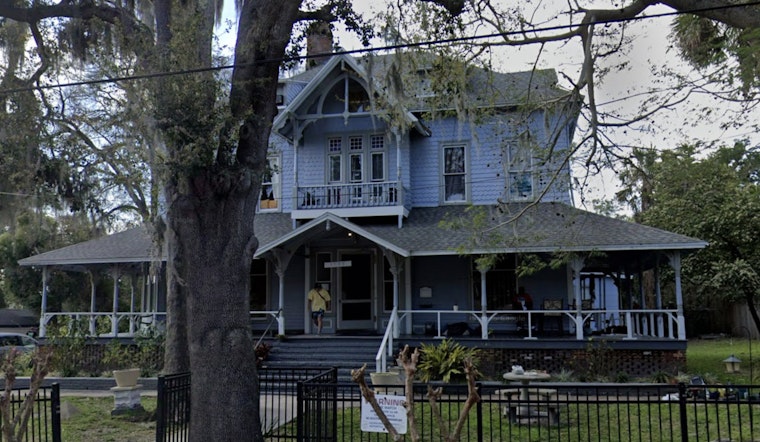
A century‑old Jacksonville sober‑living institution is suddenly fighting for its life after city fire inspectors realized the residential wing of its Hubbard Street property had never been inspected. The surprise discovery has already pushed 13 residents out of their rooms and left the nonprofit scrambling to pull together roughly $175,000 for safety upgrades that could decide whether it stays open.
According to News4JAX, a routine check last September set everything in motion when a Jacksonville Fire and Rescue Department lieutenant noticed people moving between two buildings on the property and pulled the records. The station found no inspection history for the residential structure. JFRD told News4JAX the facility has to meet the Florida Fire Prevention Code and said fines are being waived while Alco works to comply.
Alco Halfway House executive director Doug Jones told News4JAX the nonprofit, which charges residents $155 a week and leans heavily on private donations, is staring down an estimated $175,000 in work. That includes a new fire alarm system, sprinklers, fire‑rated doors and permitting costs. “We need help, and I’m scared for this place,” Jones said. He added that 13 residents had to be moved off the third floor because of the violations and warned that the program itself could be forced to close.
On its website, Alco Halfway House says it has been “helping people recover since 1967” from its base at 1120 Hubbard Street. Public real‑estate records list the property as a Victorian building in the Springfield neighborhood that was constructed in 1903.
What inspectors flagged
Fire officials cited missing or inadequate life‑safety systems, especially the sprinkler and alarm systems and fire‑rated doors that are standard for multi‑occupancy residential facilities. JFRD has given Alco a timeline to come into compliance and has said it will not collect fines while the upgrades are underway. At the same time, officials cautioned that missing those deadlines could trigger enforcement that would shut down the residential program.
Why this matters for people in recovery
Halfway houses fill a tricky gap, providing relatively low‑cost housing, peer support and structure for people leaving treatment or correctional settings. Losing one of Jacksonville’s longest‑running sober‑living programs would wipe out dozens of beds in a local network that is already limited. The Fourth Judicial Circuit participant handbook lists Alco as a recovery housing resource, underscoring how courts and treatment programs have come to rely on placements there.
How to help
Alco leaders say they are turning to the community in hopes of covering the safety work and keeping those beds available. The organization posts contact details on its website for anyone who wants to donate or volunteer. To ask questions or offer assistance, visit the Alco Halfway House contact page or call the phone number listed there.
Legal and code
Florida’s fire‑safety requirements are contained in the Florida Fire Prevention Code and related administrative rules, which mandate that buildings operating as multi‑occupancy residential facilities meet current life‑safety standards. Local fire marshals enforce those provisions under Chapter 633 of state law and can order retrofits or take other enforcement actions when a building falls short, using the state code as the guiding standard.





