

























































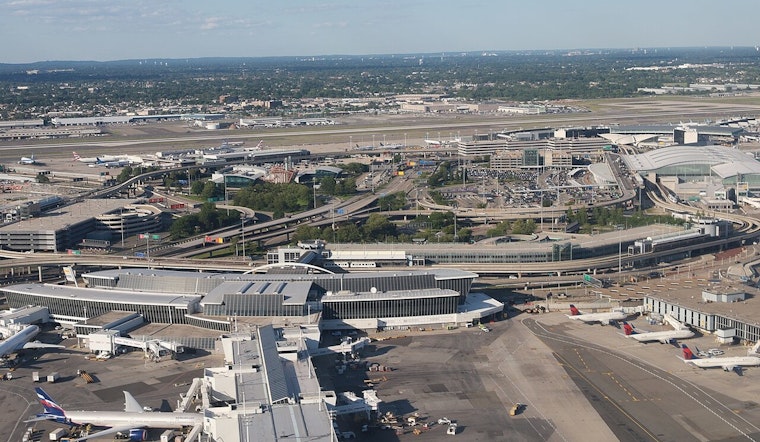
Two commercial jets at John F. Kennedy International Airport appear to have come uncomfortably close to one another on Wednesday, according to tense air traffic control audio that surfaced this week. The recording is once again putting a spotlight on approach and surface safety at New York’s busiest international airport.
The audio and video were published by local CBS News, which describes the incident as a “stunning close call” between two aircraft at JFK. The clip captures urgent back‑and‑forth between pilots and controllers, underscoring how quickly a routine sequence of instructions can turn into a potential near miss.
What investigators can learn from the tape
CBS News notes that the recording offers exactly the kind of cockpit‑to‑tower chatter safety officials comb through after an incident. The station’s description labels the event a “stunning close call,” and the audio lays out a moment‑by‑moment narrative that can later be matched against radar plots and flight data.
The National Transportation Safety Board regularly analyzes air traffic control audio, radar tracks and flight‑data records in runway‑incursion and near‑miss investigations, according to NTSB testimony. Those records help investigators reconstruct timelines, pinpoint where procedures may have broken down and decide whether to issue formal safety recommendations.
FAA pushes new safety tech at towers
The Federal Aviation Administration has been ramping up deployments of surface‑safety technology at major airports, including a system known as the Runway Incursion Device, or RID. The agency says RID provides controllers with audible and visual alerts when a runway is occupied, giving them another layer of warning before a conflict can develop. In a March 2025 news release, the FAA said it plans to install RID at dozens of towers through 2026 and called the system “another vital tool to keep the flying public safe,” according to the FAA.
A system under strain
Independent reporting has found that thousands of runway‑related close calls have been recorded in recent years, fueling scrutiny of staffing levels and aging infrastructure at busy airports. News outlets tallied roughly 1,100 runway near‑miss events in 2024 alone, according to Newsweek.
Regulators have responded by opening audits and targeted reviews at high‑traffic hubs while the FAA expands surface‑safety technology across the system, as reported by CNBC/Reuters.
What authorities typically do next
Events like the one captured in the JFK recording typically trigger a detailed review of radar data, flight‑data records and air traffic control transcripts. Investigators use that material to build a precise timeline and to identify whether any procedural mistakes, communication gaps or technology issues contributed to the close call.
According to NTSB testimony, the NTSB and FAA publish findings and safety recommendations when an inquiry warrants it, and those findings often become the basis for new equipment rollouts or changes to how planes are moved and sequenced on the ground and in the air.



