

























































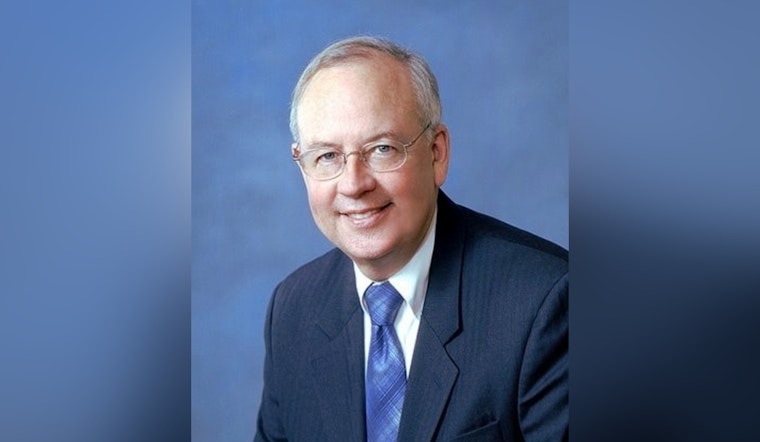
Ken Starr, the conservative lawyer who led the Clinton-era independent counsel and later served as president of Baylor University, turns up again and again in the Justice Department’s newly released Jeffrey Epstein files. The records feature casual emails, warm sign-offs and a 2012 itinerary that places Epstein on Baylor’s Waco campus, all of which are now fueling fresh scrutiny of Starr’s long-running ties to the disgraced financier.
Local coverage has flagged just how often Starr’s name appears. As reported by MySA, Starr is referenced in more than 1,000 of the released files. Those reports highlight short, familiar sign-offs like “Hugs, Ken” and “love ya” that feel far more personal than routine legal or university correspondence. For many readers, it is the contrast between Starr’s public image and the tone of those notes that makes this latest document drop so gripping.
What the documents show
The trove was posted by the Department of Justice as part of a large, multi-phase release required under the Epstein Files Transparency Act. It includes emails, travel details and internal notes that mention Starr outright. Taken together, the records show logistics for visits, coordination of flights and ongoing contact that continued after Epstein’s 2008 state plea and into the 2010s, suggesting a relationship that did not end with his first criminal case.
The Houston Chronicle reviewed the materials and highlighted an itinerary that routes Epstein through the TSTC Waco airfield for a scheduled meeting with Starr at Pat Neff Hall on July 30, 2012. In one message, Starr appears to handle airport logistics, writing that the group would be met and “zip[ed]” back, the kind of phrasing a university host might use while hustling a guest through a brief campus stop. Baylor has not released further detail about what happened in that meeting, and the documents themselves do not spell out what was discussed.
Where this fits in the wider Epstein story
The emails land on top of long-standing controversy over Epstein’s 2008 plea deal, which let him plead to state prostitution charges, serve about a year in county custody with work-release privileges and avoid federal prosecution at the time. That arrangement, and reporting on the unusually comfortable conditions of Epstein’s jail time, have been chronicled by outlets such as the Washington Post. Against that backdrop, new correspondence between Epstein and a high-profile legal figure like Starr is prompting observers to revisit how that era is remembered and who was willing to stay in touch.
Baylor’s response and Starr’s history at the school
Baylor, for its part, has kept its public response tightly controlled. In a statement reported by the Baylor Lariat, the university said it was “unable to provide additional information regarding the documents released by the Department of Justice.” The school noted that Starr died in 2022 and that the staff member who helped coordinate the 2012 visit no longer works at Baylor. Starr himself was removed as university president in 2016 after an internal review found that administrators had mishandled sexual-assault complaints involving football players, and many readers are now revisiting that chapter with the Epstein correspondence in mind.
Legal questions
From a legal standpoint, representing a client or exchanging private emails does not, on its own, create criminal liability for a former university president, especially one who is now deceased. What the release does underscore is the sheer scale of the government’s review. The Department of Justice has said it has published millions of responsive pages as part of its compliance effort, and officials acknowledge that redactions and additional review will continue as victims and lawmakers flag sensitive material. For the public, the immediate questions are less about charges and more about institutions and reputations: who knew what, when they knew it and how they chose to respond. See the Department of Justice’s release for more detail on what was made public and why: Department of Justice.
For Texans, the files are a pointed reminder that polite introductions and formal legal roles can sit alongside long-running private ties that deserve scrutiny. Researchers, lawmakers and journalists will be combing through this archive for months, and Baylor, among other institutions, is likely to face renewed calls for transparency as survivors and the broader public sort through what these records actually show.




