

























































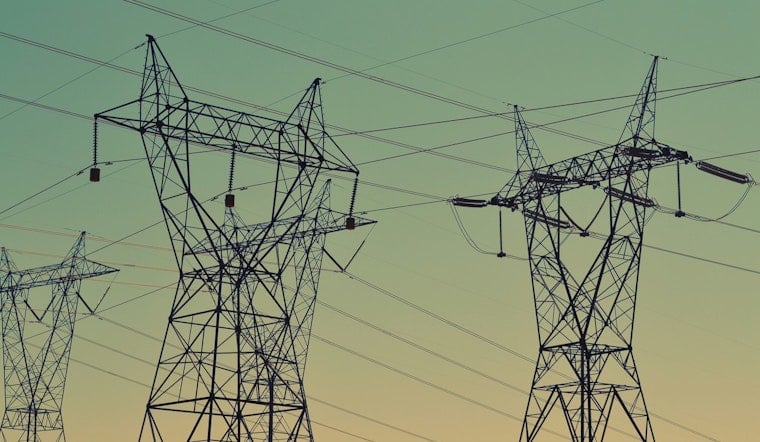
ERCOT is bracing for a scorcher of a summer on the Texas grid, warning that record-breaking electricity demand could hit the low-90-gigawatt range as a wave of new data centers and high heat collide. Even so, the grid operator says recent power-plant additions and new rules for dialing back big users mean widespread rolling blackouts are not expected.
What The Models Say About Summer Stress
In its latest monthly risk modeling, ERCOT finds that the hour with the highest risk of tight reserves is around 9 p.m., when solar output fades but Texans are still running air conditioning. The chance of an Energy Emergency Alert in June is tiny, about 0.09 percent, according to ERCOT. That probabilistic outlook reflects better expected capacity on the system and lower forecasted thermal power plant outages.
At the same time, ERCOT has been warning that summer demand could climb into the low-90-gigawatt range, which would blow past the 85.5 gigawatt record set in 2023, as reported by the Houston Chronicle.
Why ERCOT Says The Grid Can Handle It
“What we have published at this point is still showing fairly adequate capacity and a low likelihood of emergency conditions going into the June and July months,” ERCOT CEO Pablo Vegas told the board, according to the Houston Chronicle.
Officials pointed to roughly 11 gigawatts of new capacity that has come online since last summer, mainly large solar farms and battery storage projects. Those additions are reshaping when the system is most exposed to stress, shifting more of the risk into the evening “ramp-down” period when the sun sets, solar production drops, and other resources have to pick up the slack quickly.
New Capacity And The Long View
ERCOT’s planning paperwork underscores how quickly that buildout is happening. The latest Capacity, Demand and Reserves report lists about 5.074 gigawatts of battery energy storage and roughly 3.959 gigawatts of solar expected for summer 2026, plus about 1.119 gigawatts of new thermal capacity, according to ERCOT.
The same report flags a tightening picture further out. While near-term reserves look adequate on paper, long-term planning margins shrink as more large loads, many of them data centers, move through the interconnection queue. Those projects will require transmission upgrades and policy choices to keep the system ahead of the growth curve rather than scrambling behind it.
Rules, Curtailment And What To Watch In Austin
State lawmakers have handed ERCOT a few new tools to manage that surge. Under the Texas Legislature, Senate Bill 6 requires large electric customers to disclose their backup generation setups and allows new interconnection and curtailment rules for big power users.
If ERCOT expects conditions to get tight, it can now notify large industrial or commercial facilities to reduce consumption on short notice, roughly within 30 minutes, as reported by Community Impact. That quick-response option is designed to keep the lights on for everyone else when the grid is running close to the edge.
Bottom line, the short-term odds of a statewide blackout remain low, but the combination of rapid data center growth, a changing mix of power plants and storage, and a crowded interconnection queue makes near-term transmission upgrades and careful planning critical. For a broader look at how solar and batteries are reshaping ERCOT’s supply stack, see the explainer from the U.S. Energy Information Administration.



