

























































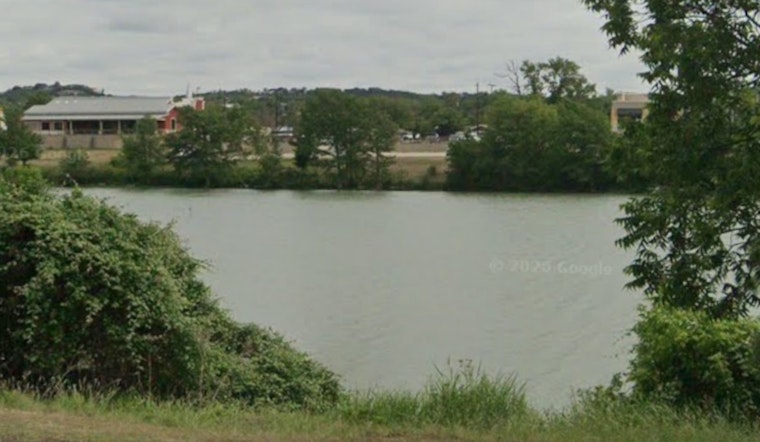
On Tuesday, Kerrville city leaders signed off on the first big step toward a new water future: designing a 1.6-mile reclaimed-water pipeline that would send treated effluent into Elm Creek and, farther downstream, into Nimitz Lake. The vote launches the engineering phase for the Elm Creek pipeline, which officials say is meant to bolster long-term drinking-water supplies as the Hill Country continues to wrestle with stubbornly dry conditions. During the design process, city staff will map the exact route, spell out any extra treatment needs and lay out the permitting work that has to happen before a single drop can be pulled into the drinking-water intake, according to MySA.
As reported by MySA, the council approved design work on a roughly $3.1 million plan that could eventually move up to 500,000 gallons per day of treated wastewater into Elm Creek Park and Nimitz Lake. Mayor Joe Herring Jr. called the decision “the most practical option,” while openly conceding there is an “ick factor” to the idea, even as he argued the creek-and-lake route creates a natural environmental buffer and extra layers of treatment. City officials stressed that the project is still in early planning and that the design phase has not been linked to any specific rate changes for customers.
How the Elm Creek pipeline would work
The proposal falls into the category of indirect potable reuse. In plain terms, treated effluent would be released into a creek or lake, travel through that natural buffer, then be captured again and run through additional treatment before entering the municipal drinking-water system. The extra steps are meant to build in redundancy and an added environmental safeguard, which can help limit risk and ease public nerves, although they also require upgrades to intake and treatment infrastructure. The precise regulatory rules and technical requirements differ by project and by state, as outlined by the WateReuse Association.
Costs and alternatives considered
City staff told council members that tapping a remote wellfield north of Kerrville would come with an estimated price tag of about $70 million and demand the purchase of thousands of acres of groundwater rights. Direct potable reuse, which would send treated wastewater straight into the distribution system, raised its own set of difficult permitting and technical issues. With those tradeoffs on the table, leaders landed on the Elm Creek pipeline as the most realistic option in the near term. The vote taken this week covers only engineering and planning; any construction contracts and financing plans would require separate, future approvals, according to MySA.
What Kerrville already does with reclaimed water
Kerrville’s Water Reclamation Division already runs a wastewater treatment plant and a reclaimed-water distribution system that supplies golf courses, the sports complex, schools and other irrigation customers. The city highlights its compliance with TCEQ and EPA standards and reports treating millions of gallons of wastewater each year while distributing hundreds of millions of gallons of reclaimed water for nonpotable use, according to the City of Kerrville. Those existing irrigation links effectively serve as the closest thing Kerrville has to a reuse backbone if the Elm Creek pipeline goes forward.
Drought pressures behind the move
Persistent dry spells and shifting reservoir levels have tightened the screws on local water supplies, pushing officials to look harder at alternative sources. Drought.gov estimates that roughly 25,607 Kerr County residents are currently experiencing conditions ranging from abnormally dry to moderate drought, a snapshot that city leaders referenced as they weighed their options. The broader pattern is not exactly comforting either, with severe drought episodes interrupted by damaging floods that make long-range planning for both reservoirs and groundwater much more complicated.
Regulatory hurdles and next steps
Even an indirect potable reuse project comes with a thicket of permits, monitoring plans and coordination with state regulators. The WateReuse Association notes that Texas has been updating its reuse pathways, but individual projects still face detailed technical review and built-in engineering safeguards. In Kerrville’s case, the immediate to-do list includes engineering design, environmental review and public outreach. Only after that work is done, and after the necessary permits are in hand, would the city move to construction contracts or operational changes. Officials say they will return to the public with more specific timelines and cost projections as the design effort progresses.
For now, the design vote does not put treated wastewater into anyone’s tap. It simply opens a multi-year planning process that city leaders say is aimed at keeping water available for future residents. As that process unfolds, Kerrville will have to juggle water security, regulatory protections and community unease about the idea of reusing treated effluent in the drinking-water system.





