

























































Hawaiʻi officials are trying to bring a long-quiet Kona aquarium fishery back to life at the exact moment lawmakers are moving to kill the trade for good. The Division of Aquatic Resources (DAR) has floated draft rules that would create a statewide aquarium permit and a special West Hawaiʻi endorsement with species-by-species annual catch limits, even as the Legislature weighs HB2101, a bill that would outlaw commercial aquarium collecting. A virtual hearing is set for Tuesday, March 31, with an in-person hearing planned for Wednesday, April 1, in Kailua-Kona.
What the rules would allow
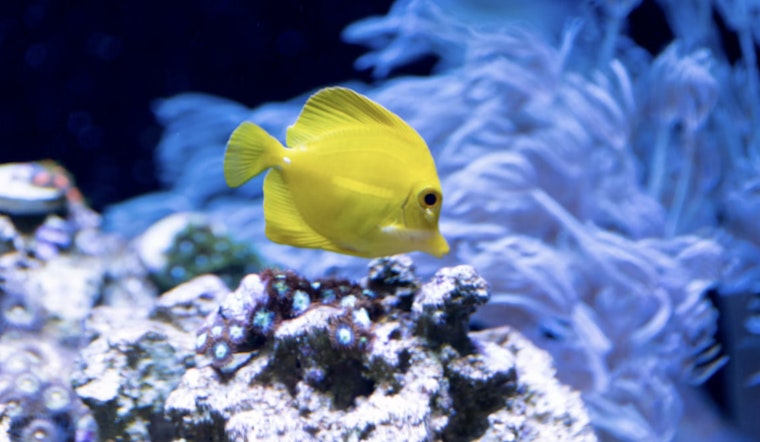
Under the proposal, DAR would roll out a new “state of Hawaiʻi aquarium fish permit” and a West Hawaiʻi whitelist that limits which species can be taken and in what numbers. The draft sets an annual catch limit of 100,000 yellow tang (lauʻīpala), with far smaller caps for other high-demand species: 1,086 Potter's angelfish, 800 brown surgeonfish, 344 bird wrasse (hīnālea ʻiʻiwi), and 182 Thompson’s surgeonfish. The rules also spell out new reporting requirements, vessel registration rules, dealer obligations, seasonal closures, and triggers for tightening or stopping collection if catches approach those limits, according to the Division of Aquatic Resources.
Where lawmakers stand
While DAR works on a tightly controlled reopening, some legislators want to end the practice outright. The House passed HB2101 this session, a measure that would prohibit commercial aquarium harvests statewide, and sent it to the Senate for further debate. Pressure is also coming from the county level. The Hawaiʻi County Council voted unanimously to urge the state to ban commercial aquarium collecting, a move that underscored how strong local opposition has grown, as reported by Civil Beat.
Industry reaction and captive-breeding alternatives
Collectors and former fishers warn that an outright ban would wipe out long-standing livelihoods, and some in the trade argue that a small, carefully managed fishery can be sustainable. “Hawaiʻi reef fish represent a multibillion-dollar industry abroad,” former collector Ron Tubbs told Civil Beat, pointing to past prices and demand from buyers on the U.S. mainland.
At the same time, companies like the Biota Group highlight a different path: scaling up captive breeding. Using large tanks at Hawaiʻi Pacific University's Waimānalo campus, the company has been working to raise popular species in captivity. Biota representatives have told state officials that a ban could actually speed investment in aquaculture as an alternative supply, according to Civil Beat.
Legal fight looms
Even if the rules move forward, the legal backdrop ensures there is no simple flip of a switch. In 2017, the Hawaiʻi Supreme Court ruled that the state must complete an environmental review before issuing permits that allow fine-mesh net collection. Follow-up orders and decisions since then have effectively tied the industry to compliance with Hawaiʻi's environmental review law, known as HEPA. A series of DLNR news releases and related documents in 2020 and 2021 explain how the agency was required to pause or condition permit renewals while environmental studies went forward. That timeline, from the 2017 ruling through later circuit court orders and DLNR responses, is laid out in court records and agency announcements, including the department's own update on how earlier decisions affect commercial marine licenses and aquarium collecting.
How to weigh in
For residents who have strong feelings about aquarium fish on either side of the debate, this is the formal chance to speak up. The public can offer live testimony at the virtual hearing or at the in-person meeting in Kailua-Kona, and written comments are being accepted through a deadline listed in the official notice. Details on how to register for the online session, attend the April 1 hearing at Kealakehe High School, or submit written testimony are spelled out in the state's legal advertisement, according to the Star-Advertiser public notice.
What to watch next
In the coming weeks, three big questions will drive how this plays out: whether HB2101 clears the Senate, whether public testimony convinces the Land Board or DAR to narrow or delay the draft rules, and whether captive-breeding projects can realistically scale up to replace a significant share of wild-caught fish. Industry and aquaculture outlets have chronicled Biota's breeding successes and the broader push to raise more marine ornamentals in captivity, arguing that farmed fish could eventually undercut the need for wild collection. That potential transition, favored by some conservation advocates and businesses, has been a recurring theme in coverage of the trade's environmental review and farming efforts by CORAL Magazine.





